French Cars
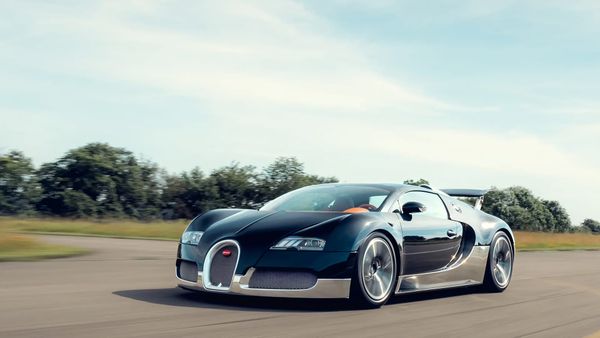
Bugatti Veyron Grand Sport 'Soleil de Nuit': One of One'
The Bugatti Veyron Grand Sport 'Soleil de Nuit' is a one-off masterpiece: polished aluminium meets midnight blue on the world's fastest open roadster.
French Cars
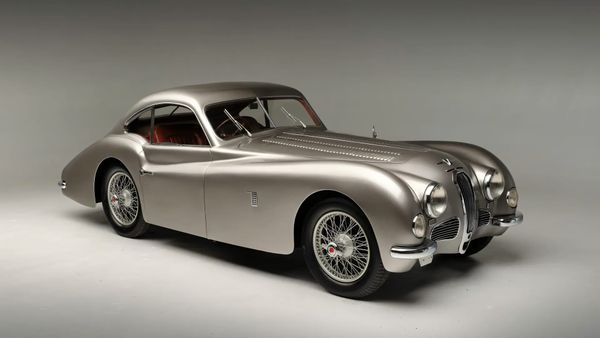
The only Talbot-Lago T26 Grand Sport bodied by Jean Barou - a teardrop coupé fusing Jaguar, BMW, and Mercedes influences over a Le Mans-winning chassis.
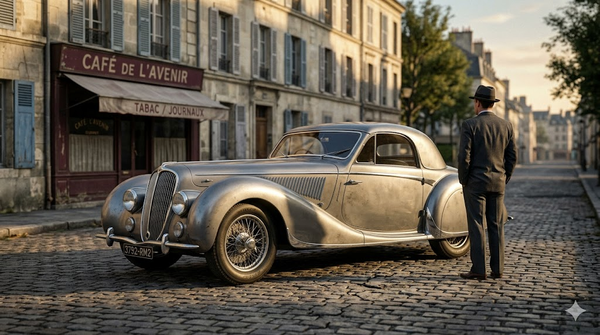
The liberation of Paris in August 1944 freed many things, but it could not immediately free the French automobile. Steel was rationed, factories were scarred, and the government planners who would shortly consolidate the industry under centralised direction had already decided that the future belonged to small, affordable machines for
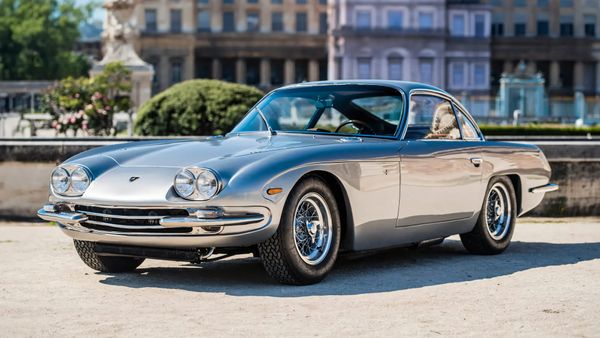
Before the Miura rewrote the rulebook, the Lamborghini 400 GT 2+2 - bodied by Carrozzeria Touring Superleggera - was the car that made Sant'Agata credible. Bizzarrini's V12, Dallara's chassis, and one of the decade's most gracefully proportioned bodies.
Italian Cars
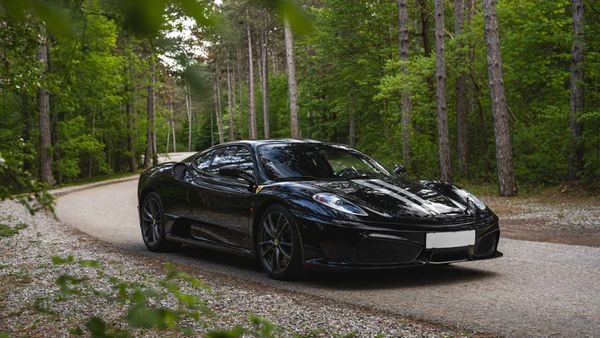
The Ferrari 430 Scuderia matched the Enzo's Fiorano lap time, shed 100kg, and delivered 503hp of Schumacher-tuned, naturally aspirated fury.
Italian Cars
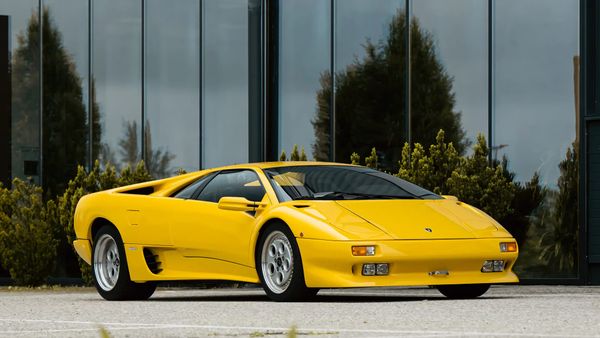
The 1994 Lamborghini Diablo was the last Lamborghini built on pure Italian passion - a 325 km/h V12 monster that demanded everything from its driver.
German Cars
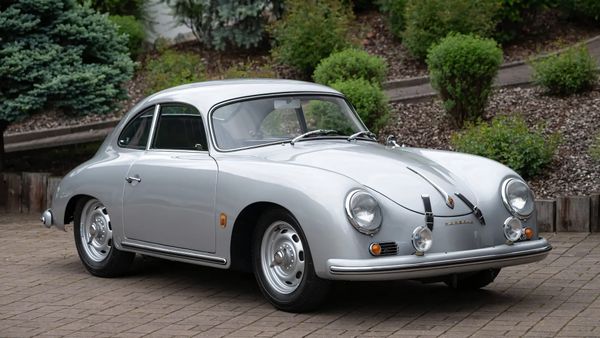
The 1959 Porsche 356 A 1600 Coupé by Reutter is where Porsche stopped improvising and started building a legacy that endures to this day.
German Cars
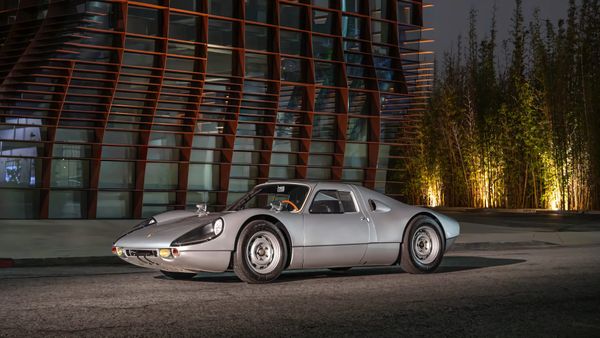
The 1964 Porsche 904 GTS was a race-bred legend built to win - one of just 106 street-legal race cars ever made, with 180 hp and 163 mph.
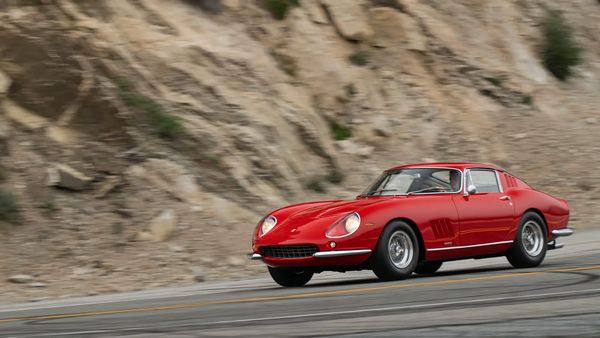
Scaglietti's craftsmen could do things with aluminum that no press tool could match, and when Ferrari quietly offered to clothe sixteen GTB/4s in hand-formed alloy bodywork rather than the standard steel, it wasn't marketing - it was a private acknowledgment between Maranello and a handful
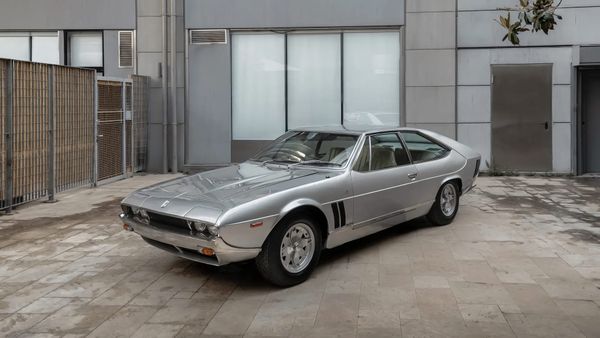
When Piero Rivolta wanted to give his wife Rachele a gift worthy of the early 1970s Italian GT scene, he did something that most husbands cannot: he commissioned Marcello Gandini at Bertone to design her a car. The resulting fastback coupé - named Lele after Rachele's nickname -
Thoughts, stories and ideas.
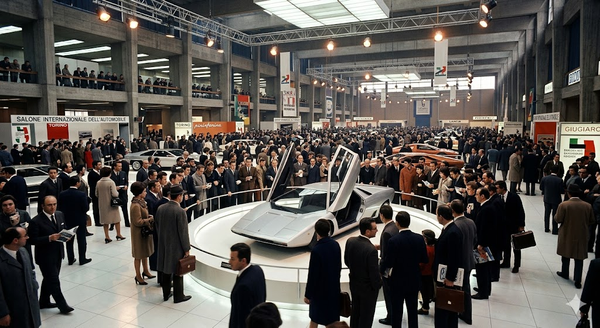
In November 1965, Lamborghini brought a bare chassis to Turin and called it a motor show exhibit. No bodywork. No interior. No doors. Just 120 kilograms of folded and drilled steel sheet, a transverse V12 sitting behind where the driver would eventually be, and twelve Weber carburetor trumpets pointing straight
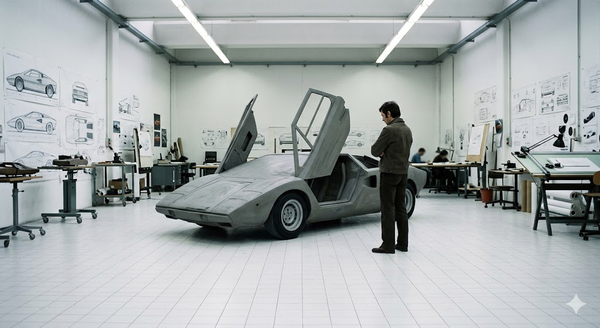
Nuccio Bertone liked to say that he hired talent, not fame. When Giorgetto Giugiaro quit in late 1965, Bertone filled the vacancy with a twenty-seven-year-old who had never designed a production car, had been turned away by the studio two years earlier, and who would - within four months of
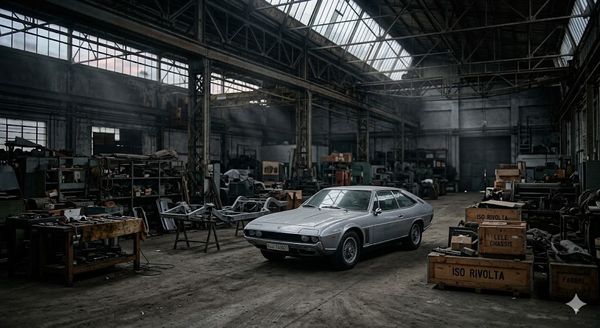
Piero Rivolta inherited a car company the way nobody should inherit anything - suddenly, at twenty-four, in the middle of a product expansion that his father had set in motion and would never see completed. Renzo Rivolta died in 1966 of a heart attack, and the baton passed to a
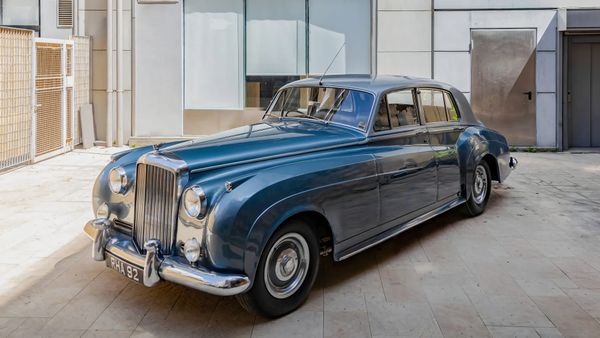
Somewhere between the last gasps of Britain's post-war industrial confidence and the dawning realisation that American V8 muscle had fundamentally redrawn the world's expectations of performance luxury, Bentley quietly laid a six-cylinder engine to rest. The straight-six that had powered the S1 - an engine whose
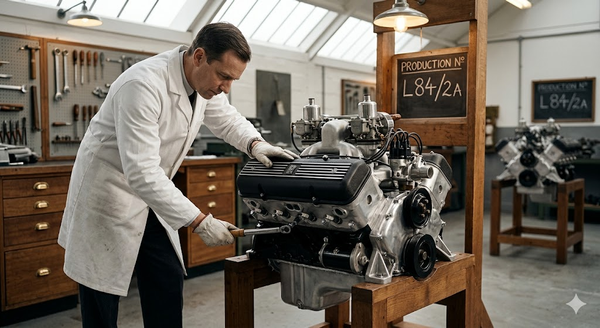
Rolls-Royce never told anyone how powerful it was. Not in 1959, when it first appeared beneath the bonnet of the Silver Cloud II and Bentley S2, and not decades later when it was still turning out cars under entirely different ownership structures. The official position - that power output was
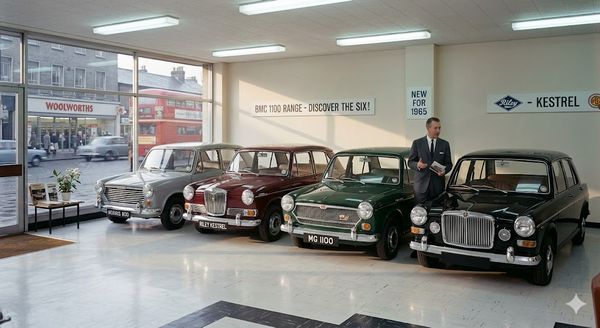
The cruelest thing about badge engineering in postwar Britain is that it worked, right up until the moment it didn't. For two decades, the British Motor Corporation sold essentially the same cars under Austin, Morris, Riley, Wolseley, MG, and Vanden Plas badges, and the public - at least
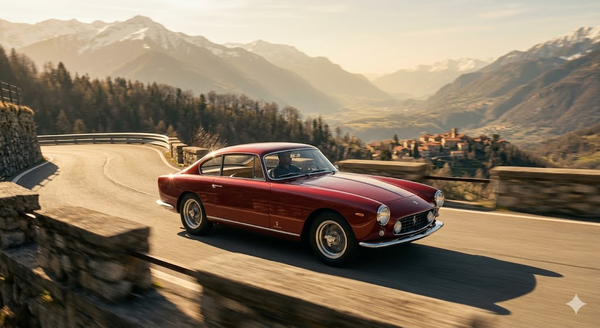
Before the motor car existed to carry it, the idea had already been alive for two centuries - in silk-upholstered carriages jolting south through the Mont Cenis Pass, in the bags of young English aristocrats packed for Rome, Florence, and Venice, in the civilised assumption that covering great distances with
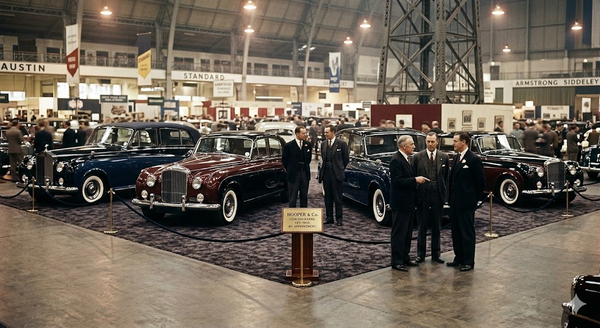
At the 1959 Earls Court Motor Show, Hooper & Co. stood their final exhibit - four cars on the stand, including a Bentley S2 built on the very first S2 Continental chassis to leave Crewe. It was body number 10294, the last bespoke coachwork the firm would ever complete. The
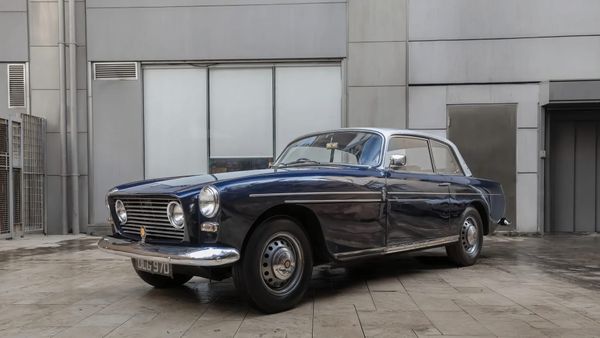
If you wanted to buy a Bristol in 1966, the car didn't come to you - you came, by appointment, to the small showroom at Kensington High Street, where the proprietor Tony Crook might personally assess whether you were the sort of person deserving of one. That singular,
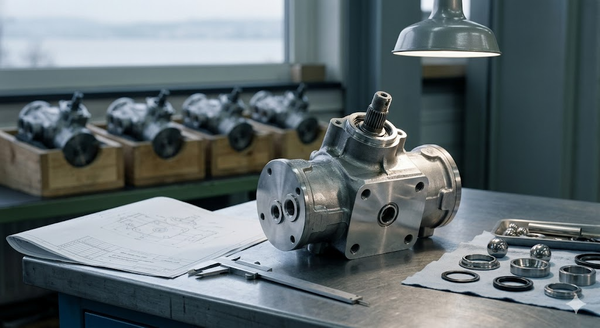
The engineers at Friedrichshafen had spent the first half of the twentieth century making gears for Zeppelin airships, then transmissions for automobiles, then weapons components for a government they had no particular enthusiasm for, and then transmissions for automobiles again. By the time the postwar grand-touring market began demanding that
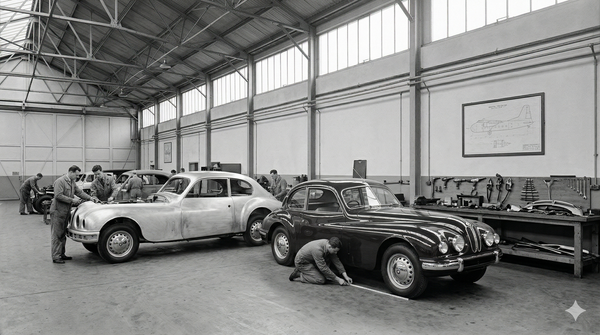
Britain emerged from the Second World War having invented several methods of killing people at altitude with remarkable efficiency, and the Bristol Aeroplane Company at Filton emerged from it in possession of something even more unusual: a genuinely transferable industrial philosophy. When the government's postwar contraction of the
When the locks were changed on the Kensington High Street showroom in August 2007, Tony Crook arrived for work as he had done for decades, found the door would not open, and was told, at eighty-seven, that his services were no longer required. It was a conclusion so bathetically at