1961 Bentley S2 Saloon
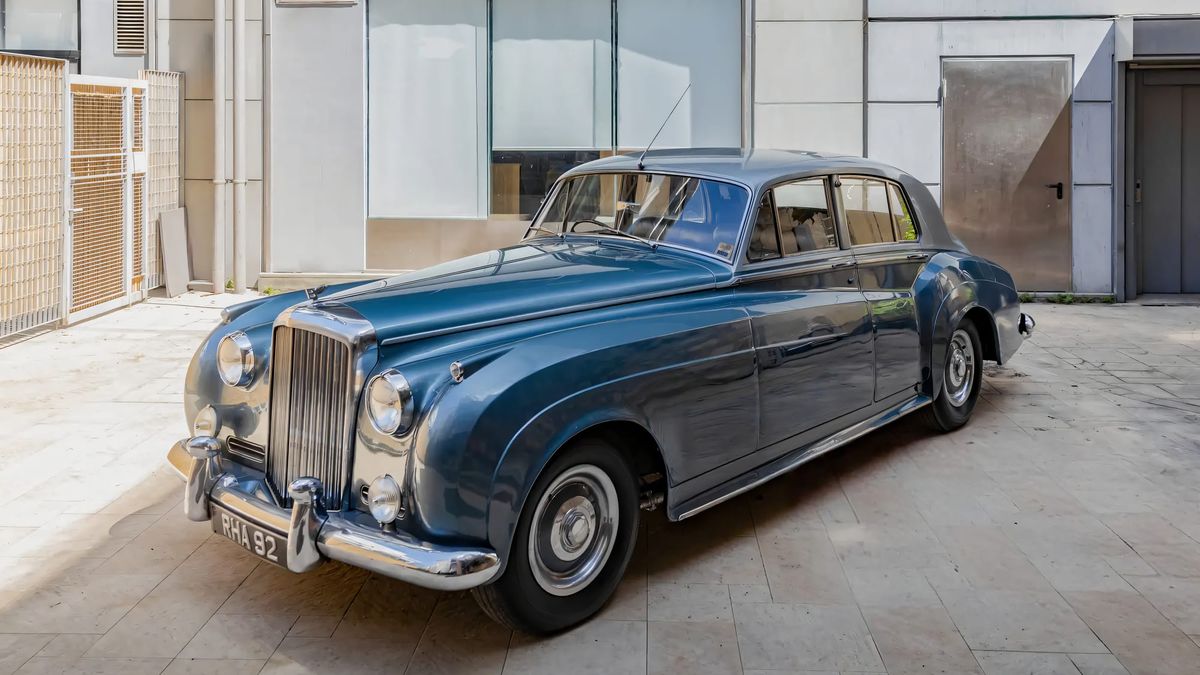
Somewhere between the last gasps of Britain's post-war industrial confidence and the dawning realisation that American V8 muscle had fundamentally redrawn the world's expectations of performance luxury, Bentley quietly laid a six-cylinder engine to rest. The straight-six that had powered the S1 - an engine whose roots stretched back philosophically to the 1920s - had done its job, and done it honourably. But by 1959, the people at Crewe knew that asking it to do more was like asking a gentleman to sprint: technically possible, deeply undignified, and not at all the point. What replaced it would go on to define the marque for decades.
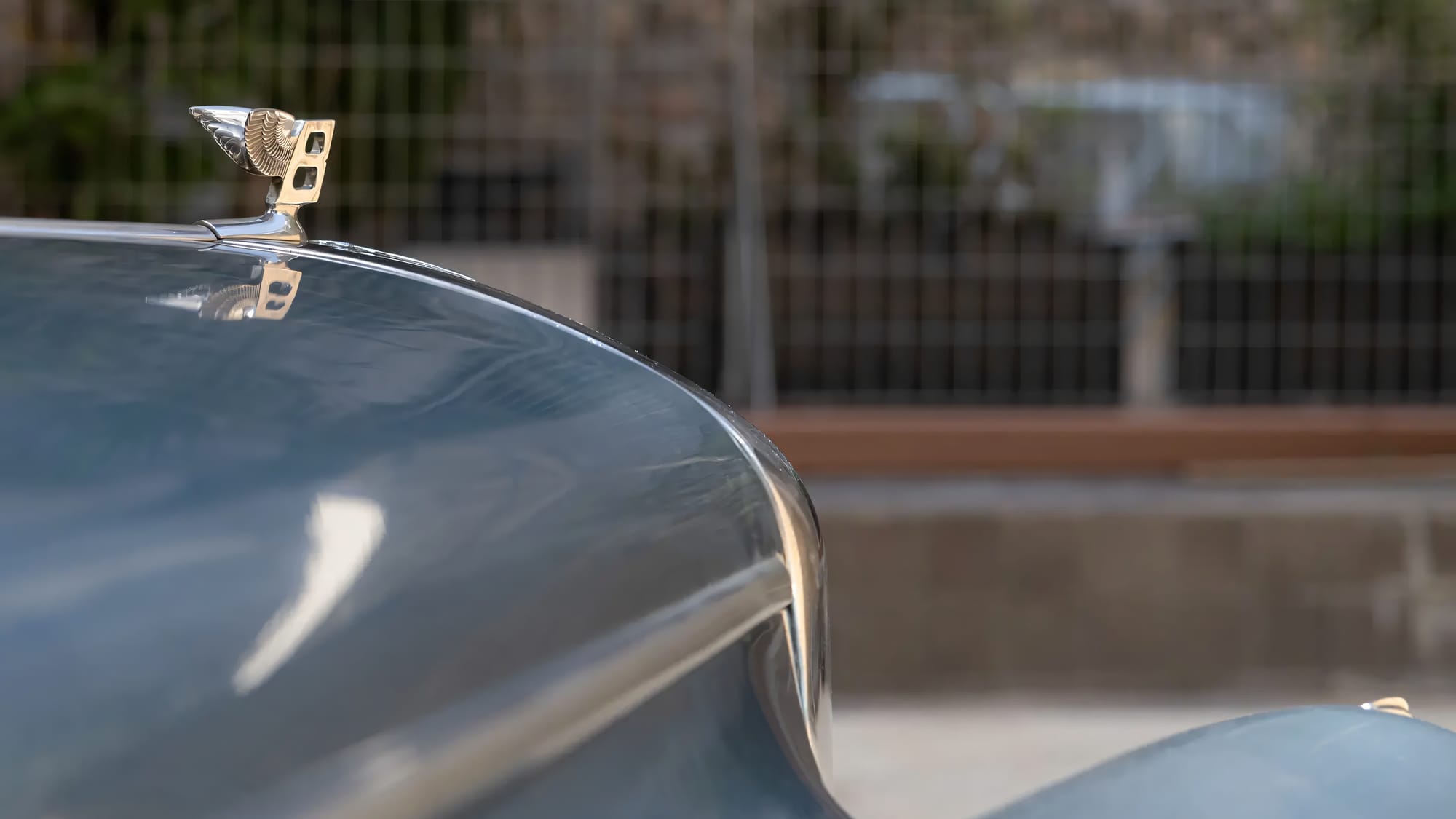
The Bentley S2, announced in October 1959 and produced through to 1962, sits in the S-series lineage as the hinge point - the car that looked almost exactly like its predecessor while being mechanically transformed beneath the surface. To the untrained eye parked on a Mayfair street, an S2 saloon and an S1 were essentially indistinguishable. The long, formal four-door steel body carried over with only minor trim updates, the upright grille still dominated the prow, and the Flying B mascot remained precisely where it had always been. Bentley's conservative clientele would not have wanted it any other way. But under that bonnet lived something entirely new.
The powerplant in question was the Rolls-Royce–Bentley L Series V8: a 6,230cc, 90-degree unit with both the cylinder block and heads cast entirely in aluminium alloy. This was not a modest incremental change - it was a statement. Hydraulic tappets, twin SU carburettors with automatic choke, and a compression ratio of 8:1 made for an engine that was as refined in character as it was significant in engineering terms. Rolls-Royce maintained throughout that the engine was entirely an in-house design, though the rumours about American influence - particularly from Chrysler - circulated persistently in enthusiast circles and never quite died away. Power was not officially quoted, as was Rolls-Royce's characteristically patrician custom; the figure was simply described as "adequate." In practice, independent road tests found it to be rather more than that.
The S2 range offered three distinct configurations. The standard saloon on the regular wheelbase served as the foundation and accounted for the vast majority of production - 1,863 chassis were built in this form. A long-wheelbase variant added 57 further examples, primarily for chauffeur-driven applications where rear legroom mattered more than driving dynamics. Then there was the S2 Continental - a higher-performance derivative built on a stiffer, lighter-bodied chassis, fitted with higher gearing to suit the more sporting coachwork it was intended to wear. The Continental was not a factory-bodied car in the conventional sense; it was a rolling chassis delivered to a select group of coachbuilders - H.J. Mulliner, Park Ward, James Young, and Hooper - who clothed it according to individual customer briefs. From Mulliner came the iconic Flying Spur four-door fastback, one of the great saloon body designs of its era, and the two-door coupé. Park Ward offered drophead versions. James Young produced their own sports saloon interpretation. In total, 388 Continental chassis were completed.
The engineering specification extended beyond the engine. Power-assisted steering was standard fitment on the S2, as was a four-speed automatic transmission - features that, in 1959, signified a level of refinement that was genuinely exceptional outside of cars wearing these two particular badges. Electrically-operated ride control, electric rear window demisters, and press-button window lifts completed a specification that made contemporaries feel distinctly primitive by comparison. The independent front suspension used coil springs, while the rear continued with a live axle and semi-elliptic leaf springs - a traditional arrangement that prioritised ride quality and predictability over outright cornering precision. Drum brakes front and rear remained, which would become one of the S2's few genuinely dated characteristics.
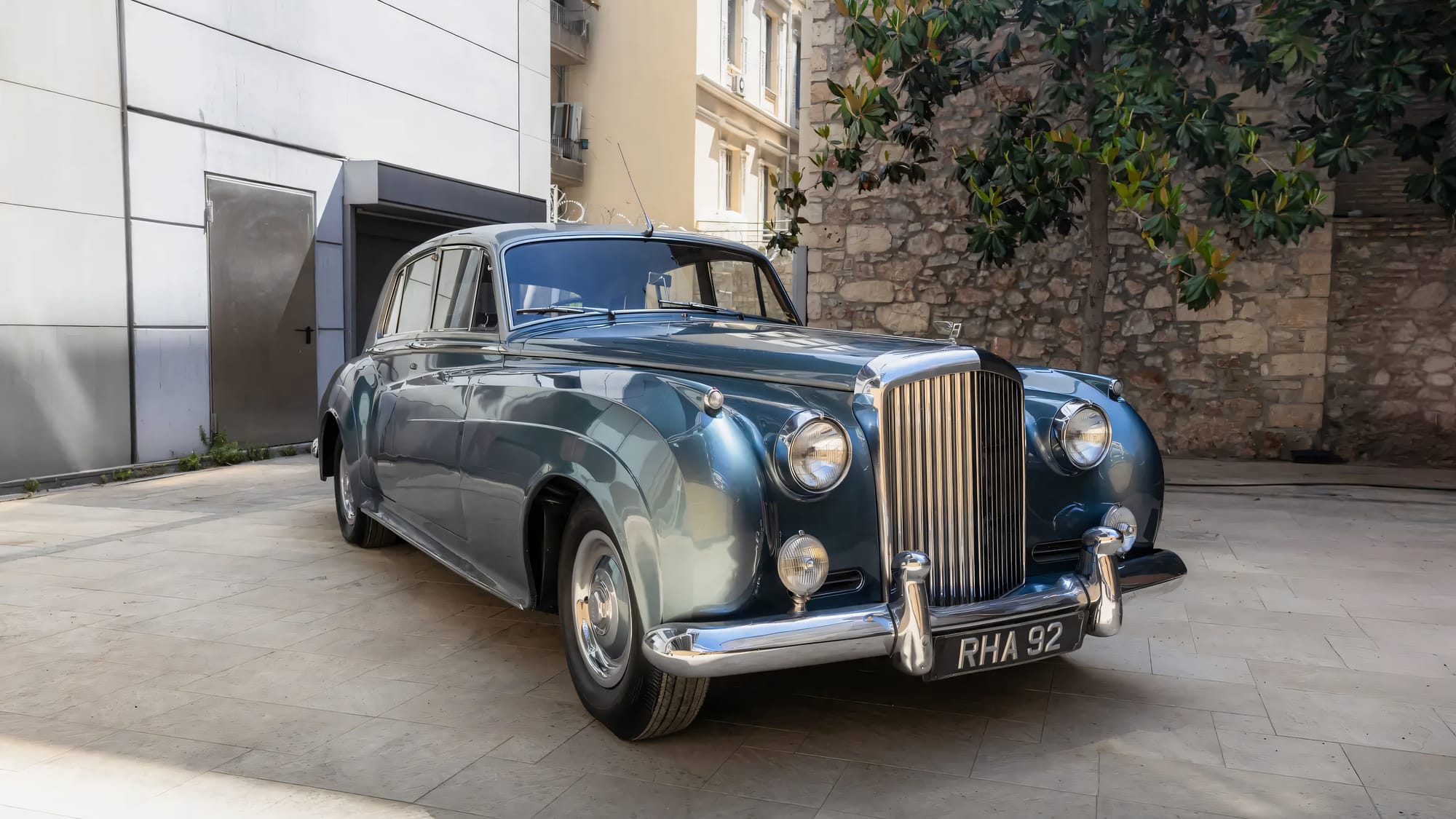
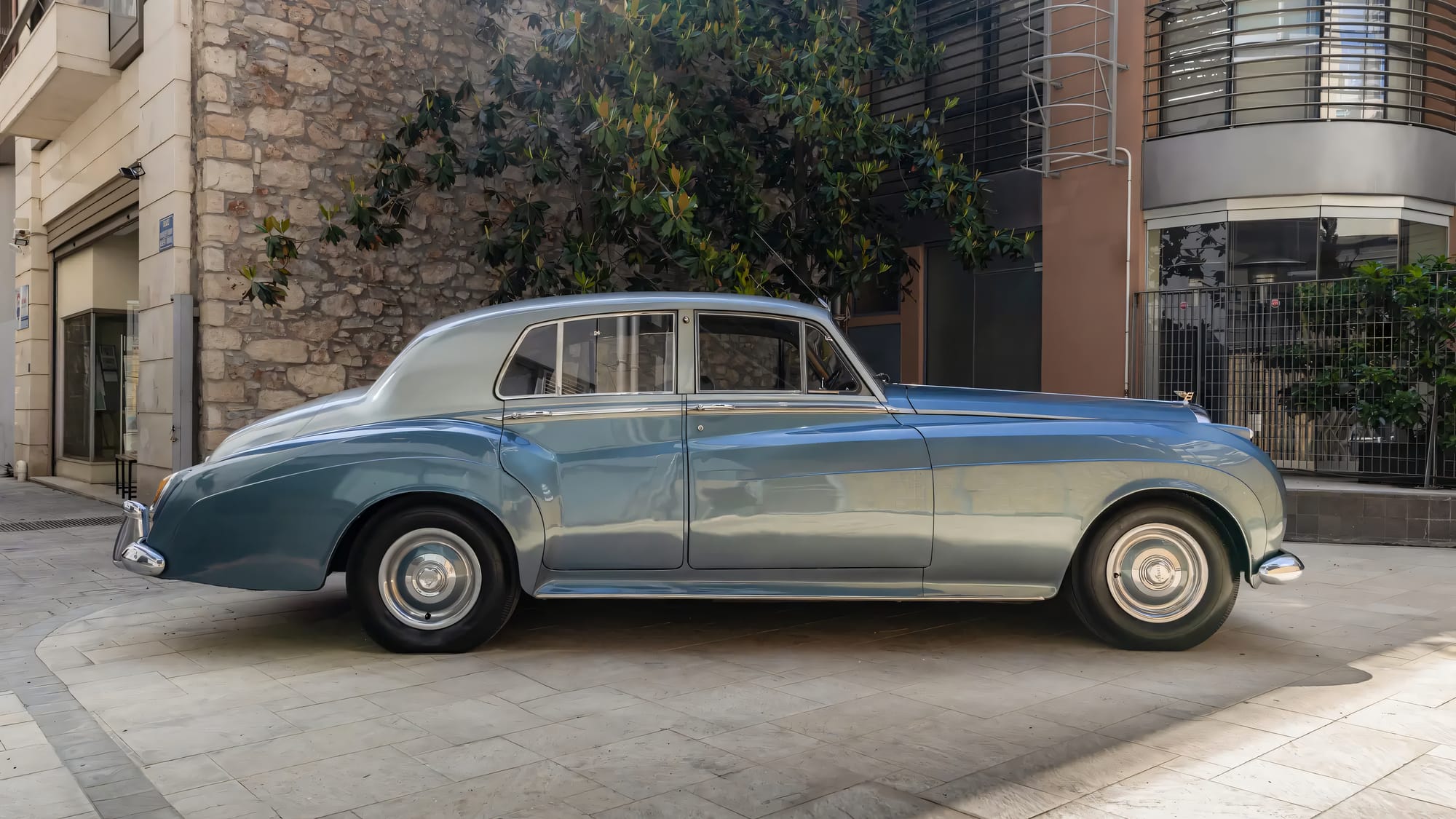
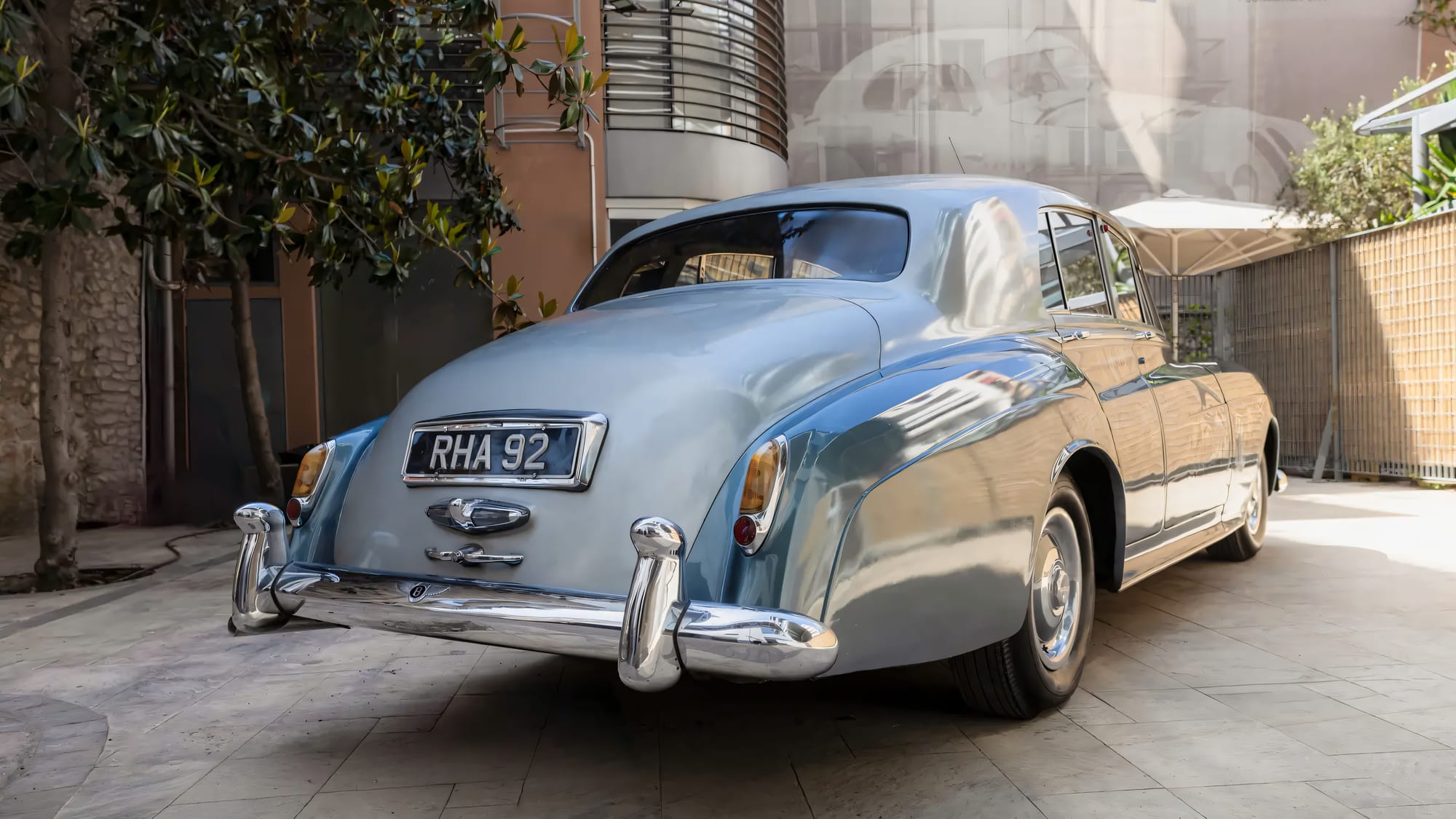
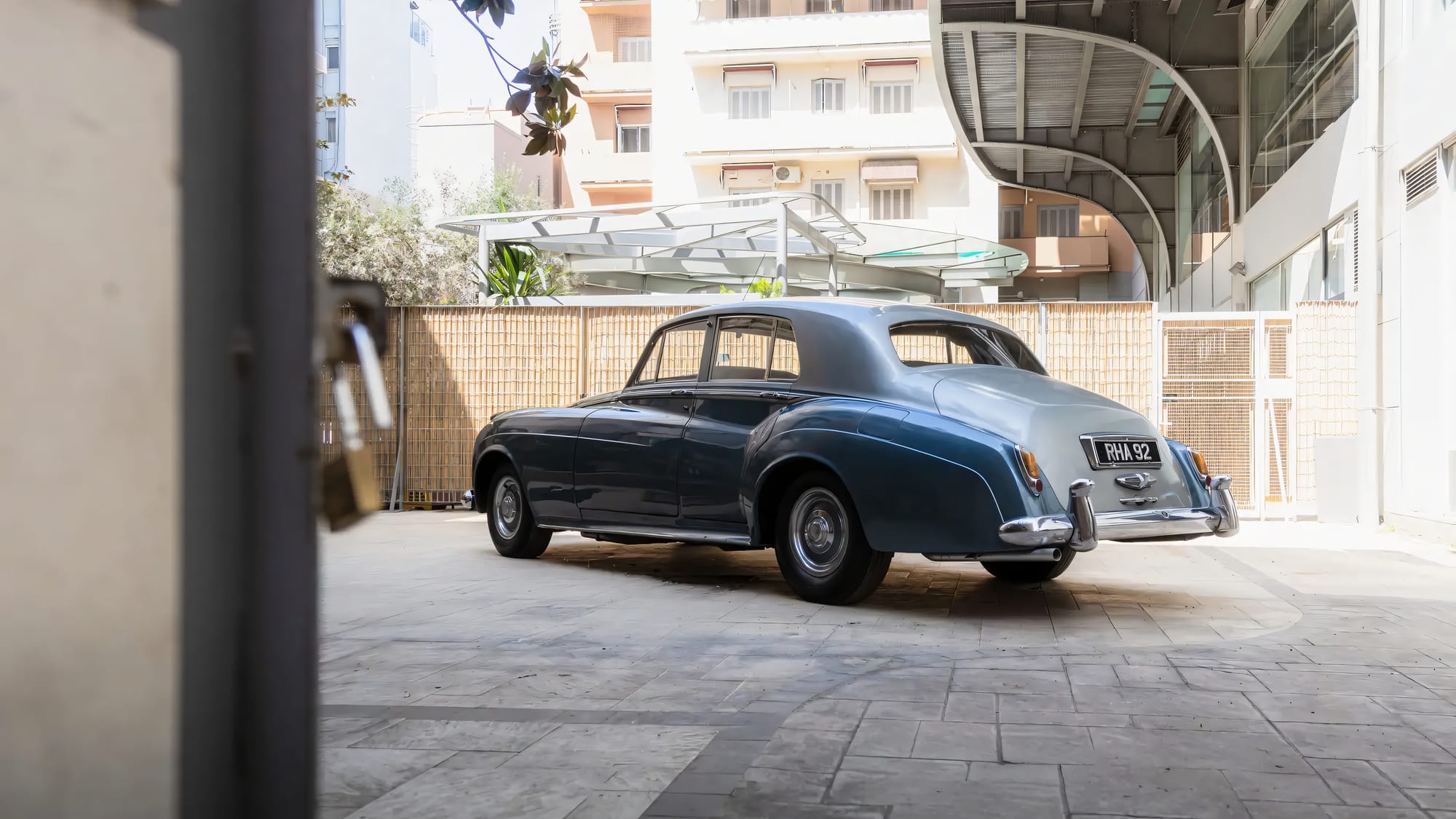
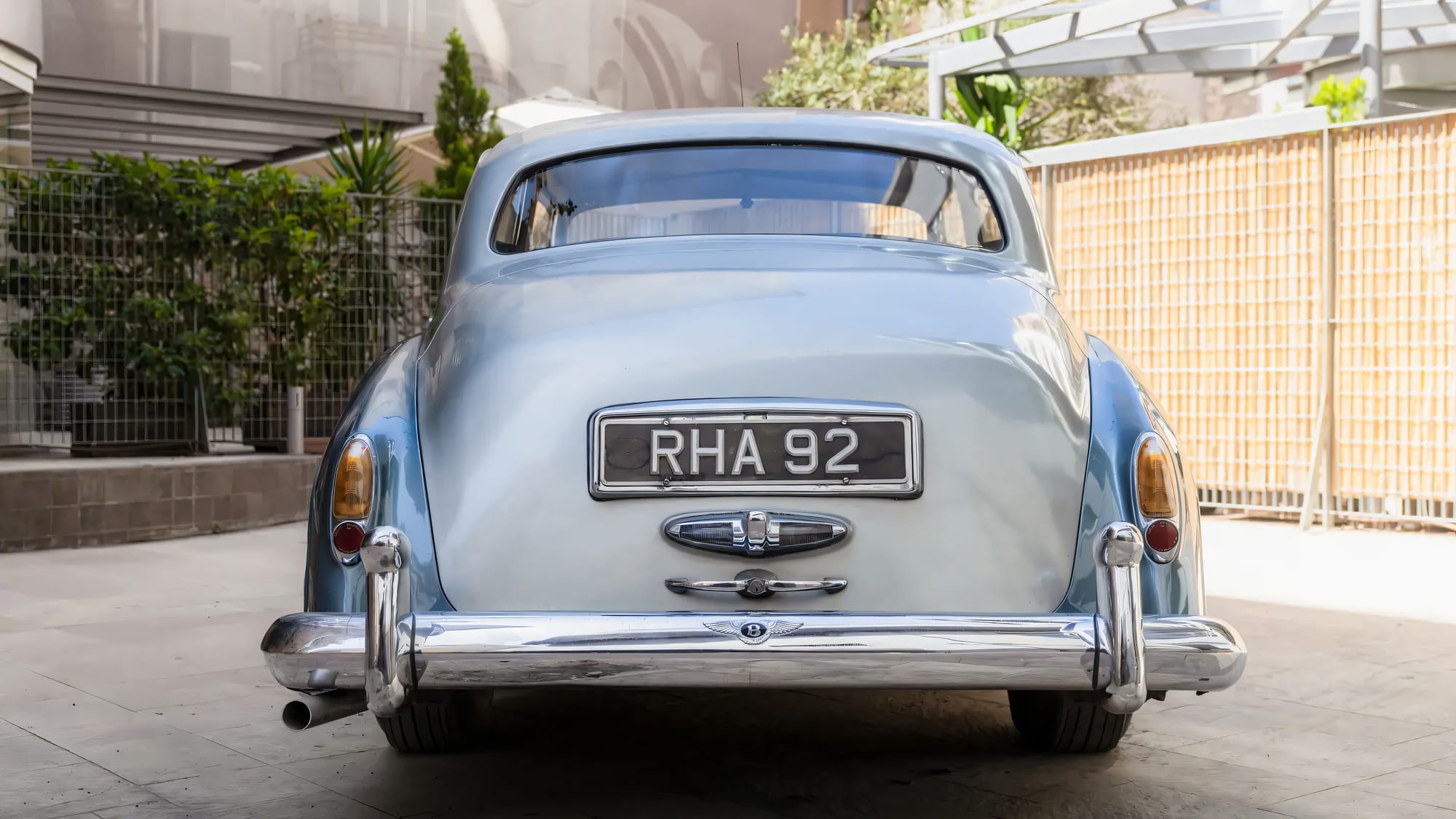
Aesthetically, the S2 saloon body is best understood as formal restraint elevated to an art form. The steel coachwork that Bentley supplied as standard was unusual for the marque at the time - coachbuilt bodies had been the expectation of Bentley buyers for the preceding decades - but the factory shell that debuted with the S1 and carried through to the S2 was a genuinely accomplished piece of design. Long, low, and imposing in the way only a five-metre-plus motor car can be, it sat on 8.00 × 15 tyres and occupied the road with the untroubled authority of something that knew perfectly well it had nowhere to be in a hurry. The interior received a revised dashboard and steering wheel for the S2, though curiously some early examples were trimmed with the older S1 dashboard, suggesting that the transition at Crewe was not entirely seamless.
On the road, the 6.2-litre V8 transformed the experience profoundly. Where the S1's six-cylinder had been competent but increasingly strained at higher speeds, the S2 could sustain motorway-crushing velocity with an almost supernatural smoothness. Contemporary road testers described it as being able to run silently at speed all day long - not a metaphor, but a literal assessment from people who drove the car on extended runs. The torque was generous and available low in the rev range, meaning the automatic transmission's interventions were rarely required to be dramatic. You pointed the S2 at a horizon and the car obliged. This was Grand Touring in the original sense: not performance for performance's sake, but the effortless compression of distance.
The Continental variants took that philosophy and sharpened it. The higher gearing fitted to the Continental chassis made it feel less urbanely docile at low speeds but more purposeful once rolling freely - the car's natural element was an open road rather than city traffic. The Flying Spur four-door in particular managed to be both genuinely fast and accommodating of four passengers in conditions of considerable comfort, which was a harder trick to pull off in 1959 than it sounds now. Bentley's marketing material at the time called it "one of the most luxurious and innovative saloons in the world," which was, for once, close to the truth rather than mere advertising copy.
The drawbacks were real, though gentlemen rarely discussed them. The drum brakes - four-wheel drums on a car weighing well over two tonnes - were entirely inadequate for the performance the new V8 delivered, and this was an acknowledged criticism from the period. The S3 that followed in 1962 received front disc brakes as an almost immediate acknowledgement that the S2 had sailed somewhat recklessly past what drum technology could safely manage at speed. The suspension setup, while excellent for long-distance cruising comfort, communicated very little to the driver in terms of steering feel; the power assistance was set up to be imperceptibly light, which made the car effortless to pilot but difficult to place with precision. And the near-identical appearance to the S1 meant the S2 never received the outward recognition its mechanical improvements deserved. Buyers who had spent considerable sums on what was genuinely a substantially better car were indistinguishable from their S1-owning neighbours at the club.
The badge-engineering relationship with Rolls-Royce also deserves honest examination. The S2 shared its platform, engine, and most bodywork with the Silver Cloud II - a fact that was open knowledge but rarely dwelt upon. What separated the two cars in practice was a matter of badge, grille, and a modest price differential. The Bentley was positioned as the more driver-oriented alternative, an identity that the Continental variants genuinely earned, though for the standard saloon the distinction was philosophical as much as practical. Bentley's pre-war sporting heritage, while real, was by this point largely a memory kept alive by marketing rather than engineering differentiation.
Yet the S2's historical significance cannot be disputed. The L Series V8 it introduced would go on to serve Bentley and Rolls-Royce in continuously developed form for the better part of six decades - arguably the most durable engine family in modern British automotive history. Every Bentley that followed for generations carried forward the basic architecture that made its debut in the S2, bored out and tuned as the years demanded, but fundamentally the same engine that Crewe's engineers had designed in the late 1950s. In that sense, the S2 saloon was less a finished product than an introduction - the first chapter of a very long story told in eight cylinders.
Critical reception at launch was warm and occasionally rapturous, particularly for the Continental Flying Spur, which was hailed in the motoring press as among the finest expressions of the grand touring concept. The standard saloon attracted less effusive coverage, partly because its visual similarity to the S1 made it difficult to convey the genuine improvement underneath, and partly because the world of automotive journalism in 1959 was still learning how to talk about refinement with the same vocabulary it reserved for speed. Later assessments have been kinder, recognising the S2 as the model that set Bentley's technical direction for the modern era rather than simply extending it from the past.
What the Bentley S2 Saloon represents, in the end, is the moment a grand old institution decided that elegance and mechanical progress were not mutually exclusive - that you could bury a revolution so deep in refinement that most people would never notice it had happened. The exterior barely changed. The ride quality improved. The silence deepened. And somewhere in Crewe, an engine that would define a marque for sixty years turned over for the first time, settling into a smooth, unhurried idle, entirely unbothered by what anyone thought of it.