French Cars
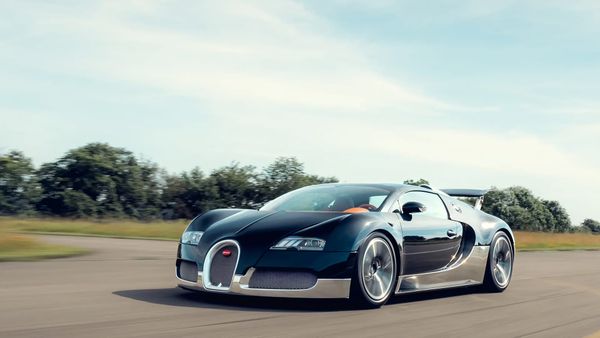
Bugatti Veyron Grand Sport 'Soleil de Nuit': One of One'
The Bugatti Veyron Grand Sport 'Soleil de Nuit' is a one-off masterpiece: polished aluminium meets midnight blue on the world's fastest open roadster.
French Cars
The Bugatti Veyron Grand Sport 'Soleil de Nuit' is a one-off masterpiece: polished aluminium meets midnight blue on the world's fastest open roadster.
French Cars
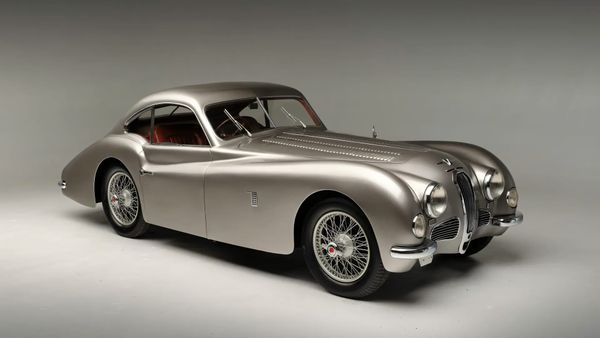
The only Talbot-Lago T26 Grand Sport bodied by Jean Barou - a teardrop coupé fusing Jaguar, BMW, and Mercedes influences over a Le Mans-winning chassis.
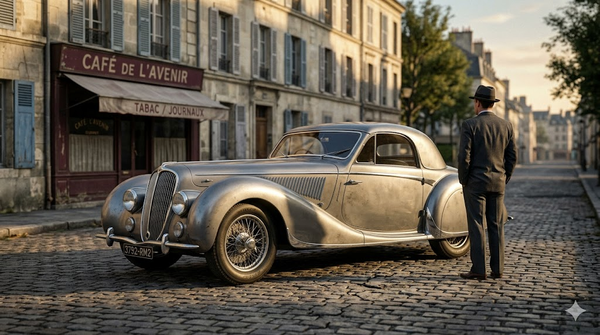
The liberation of Paris in August 1944 freed many things, but it could not immediately free the French automobile. Steel was rationed, factories were scarred, and the government planners who would shortly consolidate the industry under centralised direction had already decided that the future belonged to small, affordable machines for
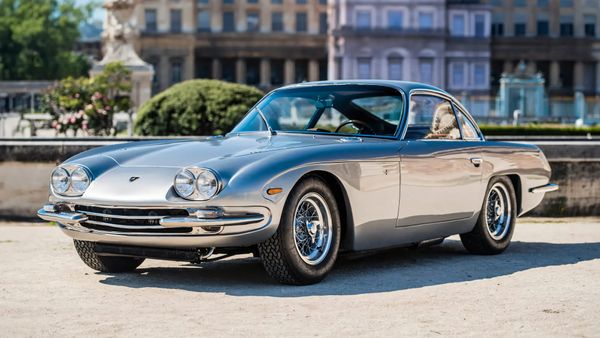
Before the Miura rewrote the rulebook, the Lamborghini 400 GT 2+2 - bodied by Carrozzeria Touring Superleggera - was the car that made Sant'Agata credible. Bizzarrini's V12, Dallara's chassis, and one of the decade's most gracefully proportioned bodies.
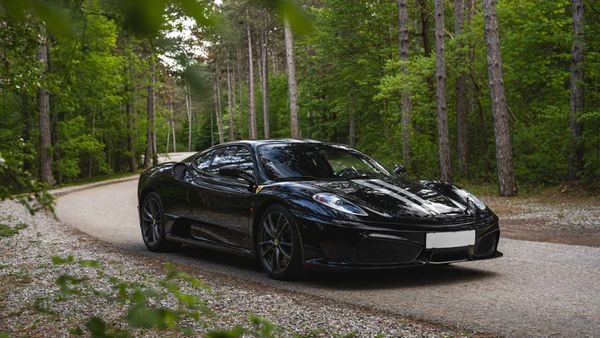
Italian Cars
The Ferrari 430 Scuderia matched the Enzo's Fiorano lap time, shed 100kg, and delivered 503hp of Schumacher-tuned, naturally aspirated fury.
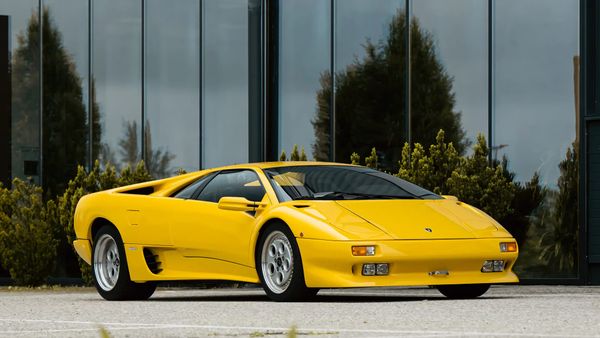
Italian Cars
The 1994 Lamborghini Diablo was the last Lamborghini built on pure Italian passion - a 325 km/h V12 monster that demanded everything from its driver.
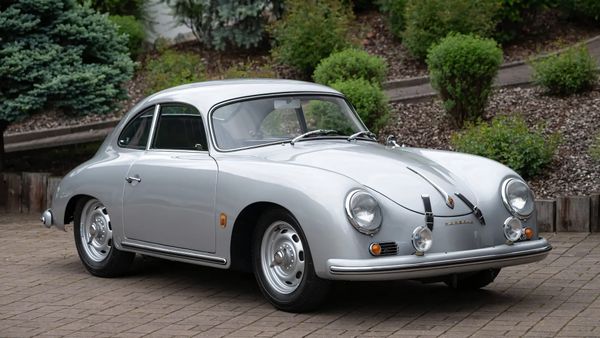
German Cars
The 1959 Porsche 356 A 1600 Coupé by Reutter is where Porsche stopped improvising and started building a legacy that endures to this day.
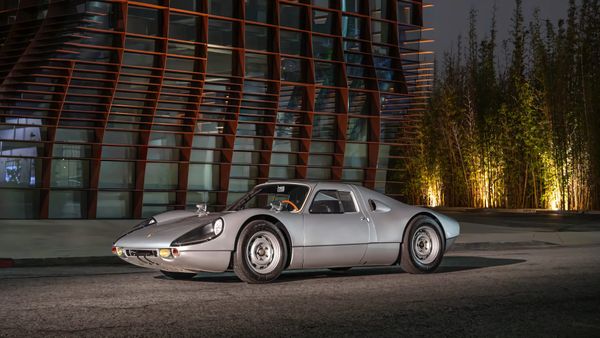
German Cars
The 1964 Porsche 904 GTS was a race-bred legend built to win - one of just 106 street-legal race cars ever made, with 180 hp and 163 mph.
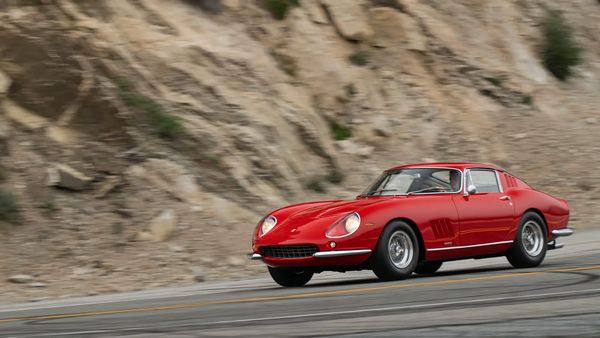
Scaglietti's craftsmen could do things with aluminum that no press tool could match, and when Ferrari quietly offered to clothe sixteen GTB/4s in hand-formed alloy bodywork rather than the standard steel, it wasn't marketing - it was a private acknowledgment between Maranello and a handful
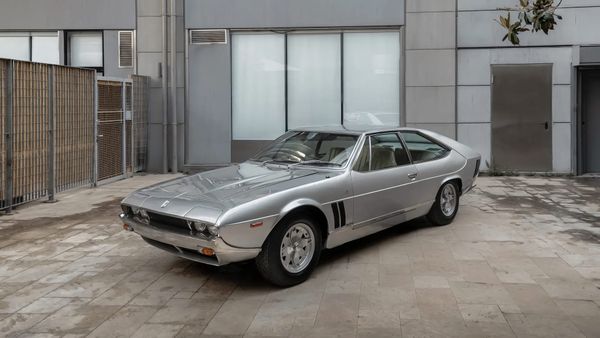
When Piero Rivolta wanted to give his wife Rachele a gift worthy of the early 1970s Italian GT scene, he did something that most husbands cannot: he commissioned Marcello Gandini at Bertone to design her a car. The resulting fastback coupé - named Lele after Rachele's nickname -
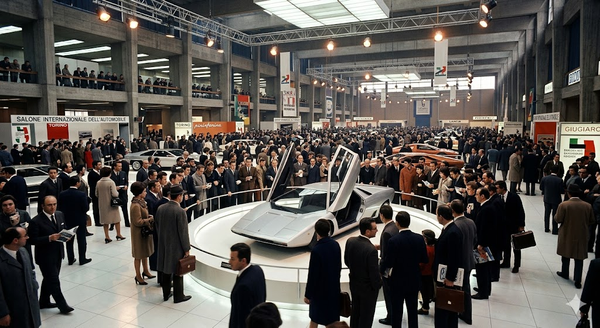
In November 1965, Lamborghini brought a bare chassis to Turin and called it a motor show exhibit. No bodywork. No interior. No doors. Just 120 kilograms of folded and drilled steel sheet, a transverse V12 sitting behind where the driver would eventually be, and twelve Weber carburetor trumpets pointing straight
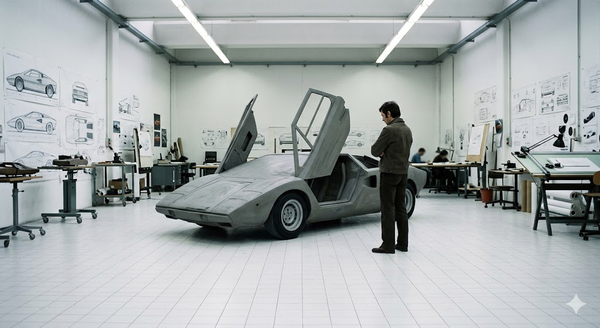
Nuccio Bertone liked to say that he hired talent, not fame. When Giorgetto Giugiaro quit in late 1965, Bertone filled the vacancy with a twenty-seven-year-old who had never designed a production car, had been turned away by the studio two years earlier, and who would - within four months of