1959 Jaguar XK 150 S 3.4-Litre Fixed Head Coupe
Pop the bonnet of an XK150 S and you're confronted with something that doesn't quite belong in a road car: a cylinder head painted pumpkin orange, the same shade worn by units that spent their developmental years being tortured at racing circuits before being deemed sufficiently civilised for ordinary customers. That straight-port head - with its wider, less-curved inlet ports and enlarged valves, derived directly from the C-Type competition lineage - is the physical handshake between Jaguar's Le Mans programme and the showroom floor. In the 3.4 S Fixed Head Coupé, it is also the single most important component for understanding what this car is and what it was trying to achieve.
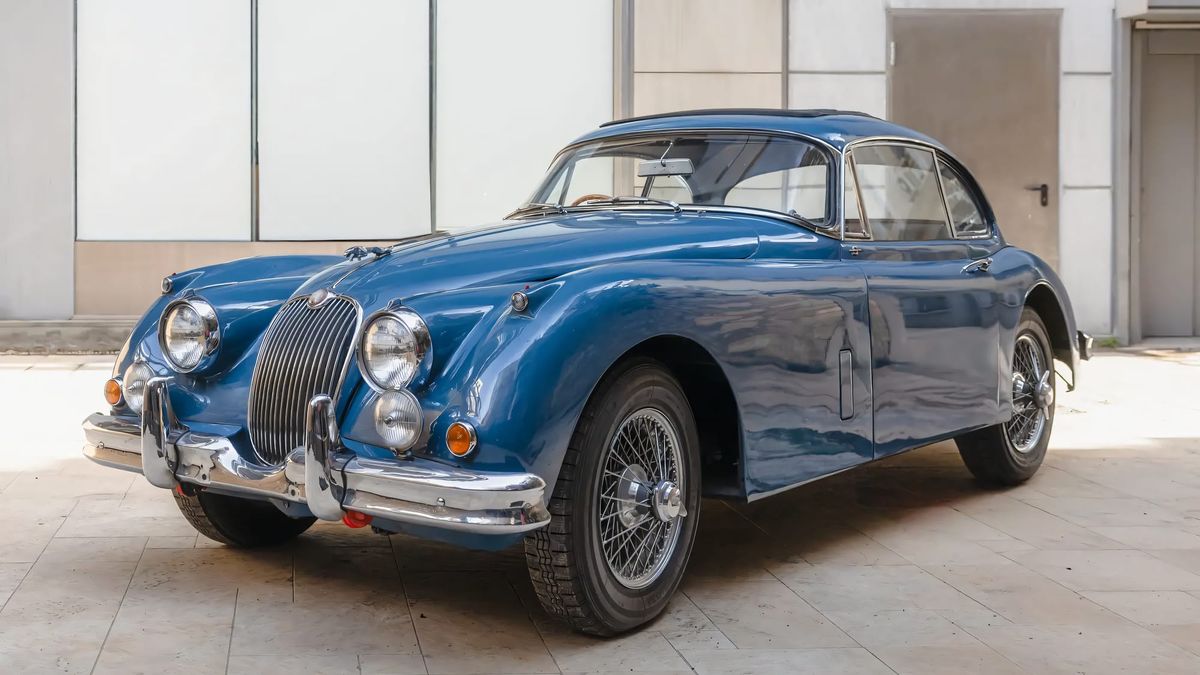
The XK150 arrived in the spring of 1957 as the third and final iteration of a lineage that began with the XK120's sensational 1948 debut. Where the XK120 had genuinely shocked the world with its taut two-seater bodywork and claimed 120mph capability, and where the XK140 refined the formula without fundamentally altering it, the XK150 was a more considered update - more civilised, more spacious, and in many respects aesthetically compromised compared to either predecessor. The car had grown wider, heavier, and visually denser, replacing the XK120's pure silhouette with something that sat lower to the ground and broader across the hips. Not everyone was enthusiastic; the critics who had fallen for the original's lithe proportions found the XK150 somewhat thickened around the waist, and they were not entirely wrong.
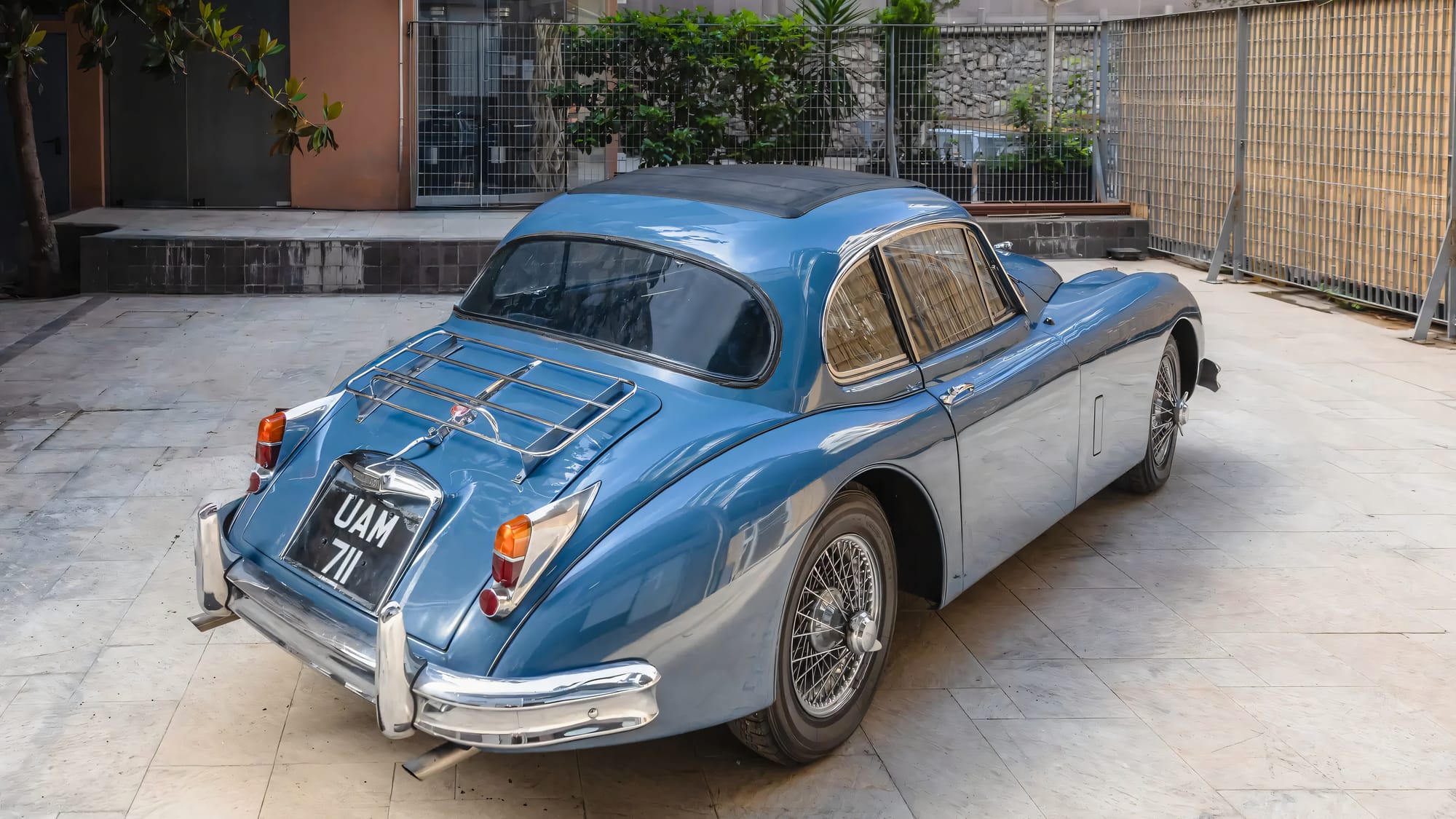
The S variant - and specifically the 3.4 S - is a different conversation altogether. Introduced in the spring of 1958 and representing the top of the 3.4-litre range, it arrived as Jaguar's answer to the growing criticism that the base XK150's 190bhp had actually represented a step backwards in outright performance. The S specification transformed the picture dramatically. Those triple 2-inch SU HD8 carburettors, feeding through the straight-port head with its 35-degree valve angles on both inlet and exhaust, elevated the 3,442cc DOHC straight-six to a quoted 250bhp at 5,500rpm, with 240lb-ft of torque arriving at 4,500rpm. The qualifying word "quoted" matters here - Jaguar's power claims for its road cars in this period were famously optimistic, and most independent assessors placed the real figure somewhere in the region of 220 to 230bhp. Even so, the S was unambiguously the firebreather of the range.
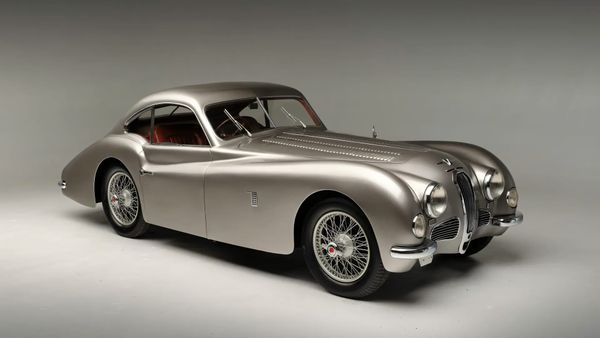
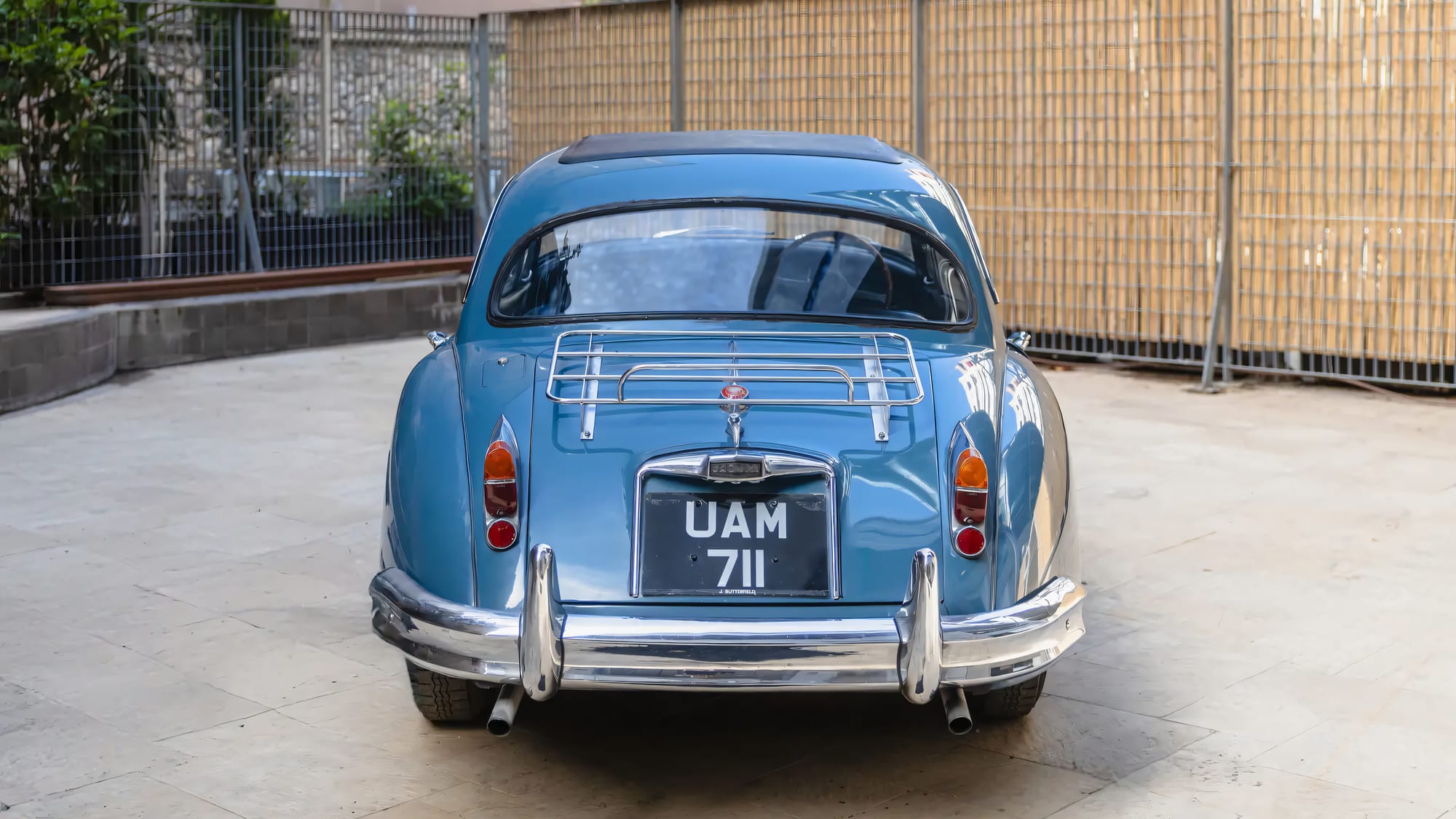
The Fixed Head Coupé body was the form in which the XK150 made its public debut, arriving before the Drophead and the open Roadster - a reversal of the XK120's launch strategy, where the open two-seater had come first. The FHC offered a degree of interior refinement befitting Jaguar's GT ambitions: proper leather upholstery, elegantly grained wood trim, and a dashboard architecture that had evolved across the XK series. The one-piece wraparound windscreen was new to the XK150 and represented a genuine advancement over the split screen of its predecessors, improving both visibility and structural rigidity while lending the cabin a more modern feel. A Webasto sunroof, as fitted to a number of examples, managed to add a measure of open-air motoring without compromising the coupé's fundamental character. The higher front wing line and broader grille gave the car an undeniably purposeful face, but the overall silhouette lacked the breathtaking immediacy of the XK120 that had inspired it.
From the driver's seat, the XK150 S 3.4 presents a compelling case for its period. The rack-and-pinion steering is heavy by modern standards - genuinely demanding at low speeds and during parking - but above about 40mph it rewards with directness and a useful degree of feel that the recirculating-ball setups of most American contemporaries simply could not approach. The Moss four-speed gearbox requires deliberate, unhurried inputs; rush it and it will punish you with a grinding protest, and double-declutching into first is considered good manners rather than optional. Yet in the hands of a sympathetic driver the car flows well, the long-throw lever falling between gears with a mechanical satisfaction that more modern synchromesh units lack entirely. Overdrive, where fitted, transforms the car on longer runs, dropping the revs to reveal the XK engine's more contemplative character - the six-cylinder note settling into a refined burble that carries something of the grand tourer about it.
The straight-six itself is the defining sensory experience. That triple-carburettor induction note - a deep, throaty intake snarl developing to something insistent and urgent at higher revs - gives the 3.4 S a vocal quality that the standard twin-carb cars simply cannot match. Power delivery is progressive but increasingly muscular above 3,000rpm, pulling strongly toward its 5,500rpm power peak. In contemporary road tests, Motor Sport magazine found the XK150 to be "really fast" with a driving experience that combined genuine sporting performance with uncommon refinement. According to Classics World's more recent assessment, the car's in-gear acceleration remained capable enough in 2023 to feel genuinely impressive - no small compliment for machinery that had already celebrated its sixty-fifth birthday.
The great engineering triumph of the XK150, the achievement that distinguishes it decisively from every XK that preceded it, was the adoption of all-round Dunlop disc brakes as standard fitment on virtually every production car. Drum brakes on the XK140 had been a source of persistent and justified criticism; the car's power and speed routinely outran its ability to stop. The Dunlop discs transformed the equation. At last, here was an XK that could be driven to its limits repeatedly, without the fade and drama that accompanied any serious braking application on the earlier cars - and paired with the S model's performance, the disc setup made the 3.4 Fixed Head a machine that could credibly be used quickly without the driver entertaining quiet prayers on the approach to each corner.
None of which should suggest the car is free of frustrations. The fly-off handbrake - a racing-derived mechanism that operates counter-intuitively to almost anyone not specifically briefed - has a reputation for poor adjustment that has followed the XK150 through its entire ownership history, and Classics World's road test confirmed this remains a known weak point. The steering, as noted, is heavy enough to constitute genuine exercise in traffic. The Moss gearbox, characterful as it is, demands a patience that modern drivers rarely cultivate. And the XK150's considerable weight means that some of the S engine's performance advantage over the standard cars is simply spent moving more machine down the road. The quoted top speed of around 130mph for the 3.4 S is genuine, but the skinny 185-section tyres - entirely period-correct - give the car's 250bhp a narrower contact patch than one might ideally want. This is not a vehicle that forgives inattention.
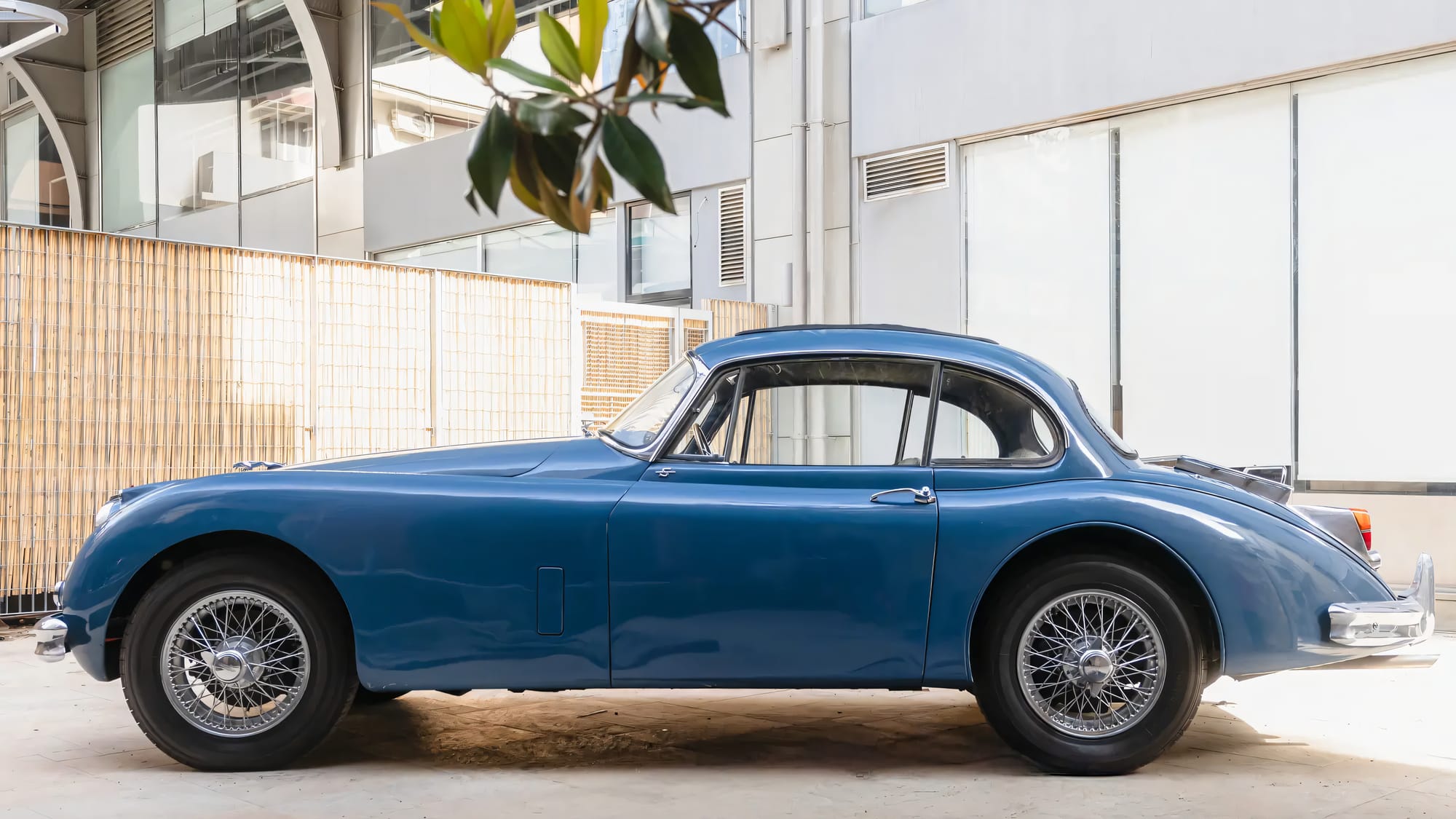
The cultural positioning of the XK150 S within Jaguar's history is perhaps its most interesting dimension, because the car sits precisely on the seam between two eras. On one side lies the XK series, born in austerity-era Britain and carrying the reflected glory of Le Mans victories in 1951 and 1953 with the C-Type, and again in 1955, 1956 and 1957 with the D-Type. On the other side lies the E-Type, the car that would redefine British sports car ambition when it arrived in 1961. That Series 1 E-Type used the XK engine in specification near-identical to the 3.8 S - the same basic architecture, the same straight-port head, the same triple-carburettor philosophy - and was conceived directly as the XK150's successor. The XK150 S 3.4 was not merely the XK line's conclusion; it was the E-Type's dress rehearsal.
Contemporary reception was broadly positive, though seldom rapturous in the way the XK120's debut reviews had been. The American market, which absorbed a substantial proportion of XK150 production, responded with genuine enthusiasm to the combination of power and disc brakes - the US had few alternatives offering this pairing at a remotely comparable price. The S model, particularly in 3.8-litre form when that engine arrived for 1960, was considered genuinely exotic in its performance claims, and the car built a following among the enthusiast community on both sides of the Atlantic that has never entirely dissipated.
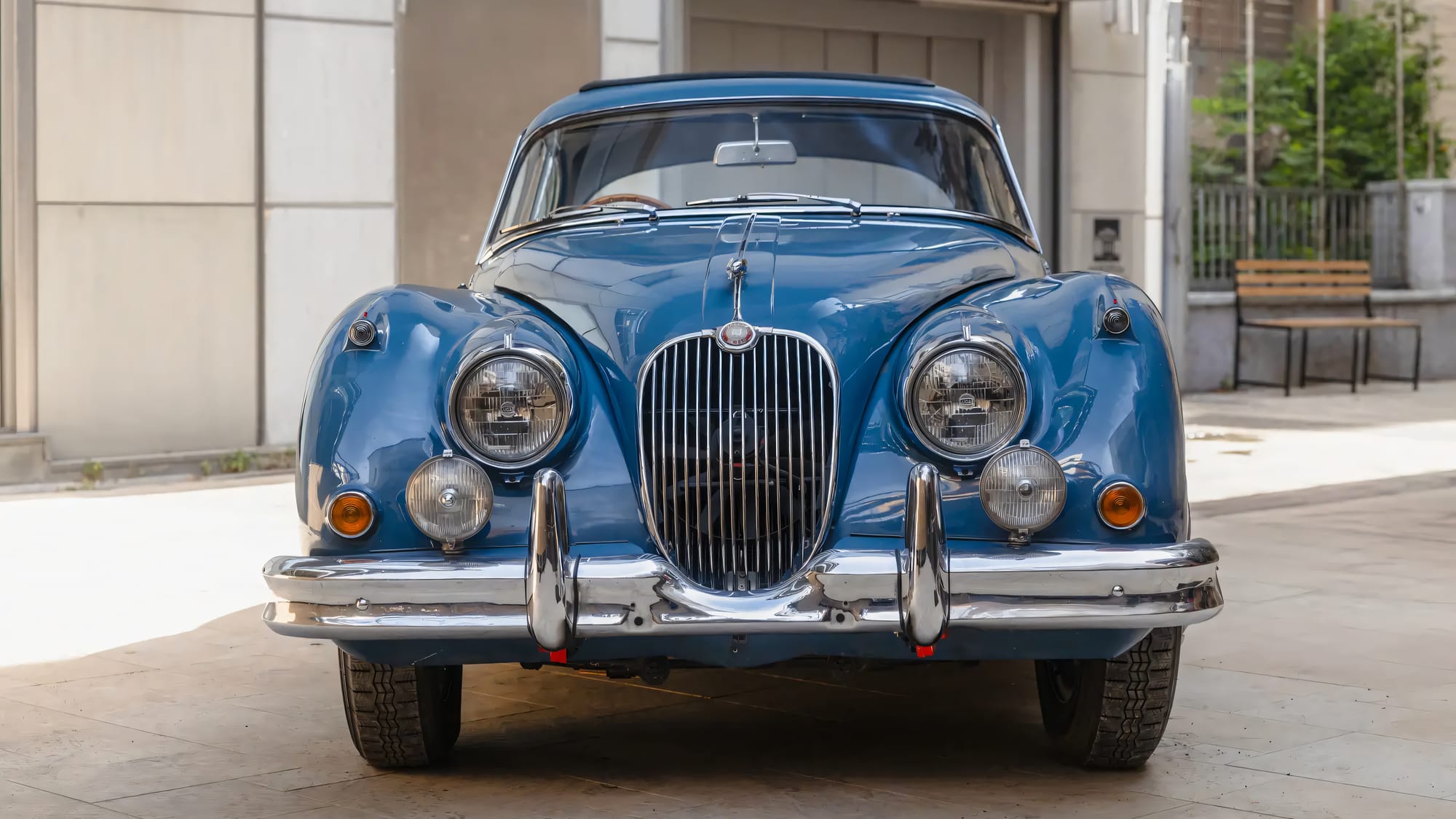
What makes the 3.4 S Fixed Head Coupé specifically worth dwelling on, rather than simply pointing to the later 3.8 S as the definitive XK150, is a quality of coherence. The 3.4-litre engine's character is marginally more tractable than the larger unit, its power curve arriving in a more usable spread, and the FHC body gives the car a completeness - a visual and mechanical integrity - that the open Roadster's more theatrical proportions sometimes overwhelm. It is a car built at the precise moment when Jaguar had learned everything the XK platform could teach, before the institutional excitement of the E-Type's development shifted everyone's attention to what came next. That quality of standing at the edge of one chapter before the next begins - with the orange cylinder head as your evidence and the disc brakes as your reassurance - is what makes the 3.4 S Fixed Head Coupé so enduringly worth understanding.