1959 Borgward Isabella Coupé
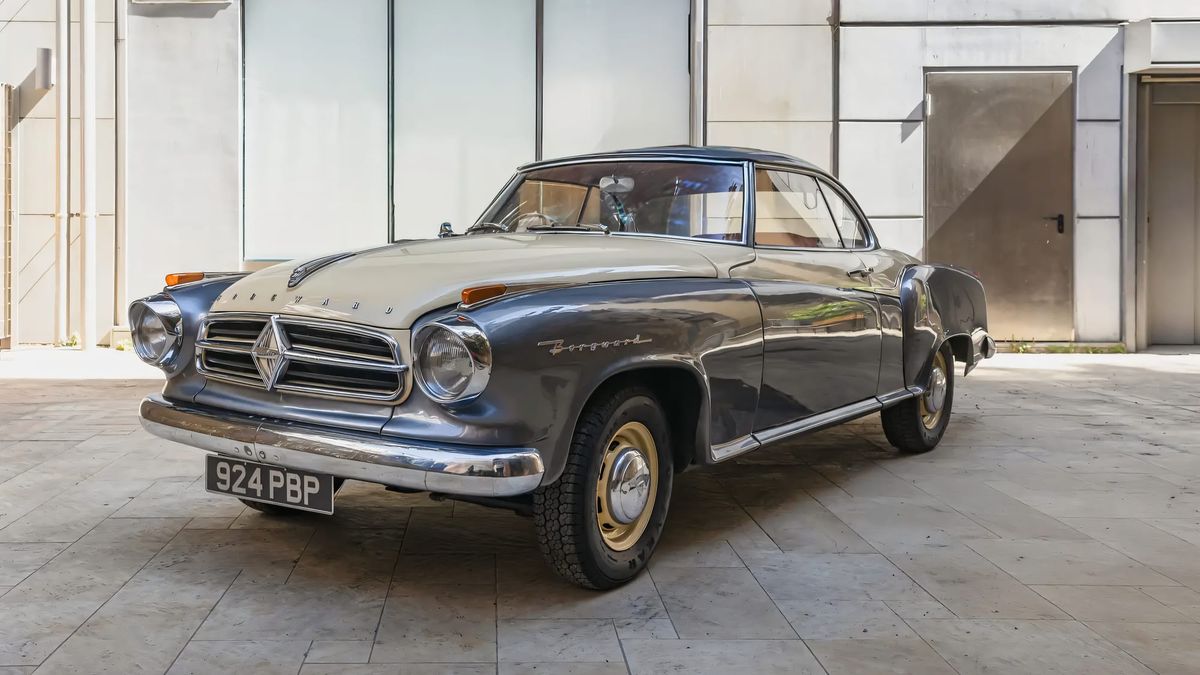
When Carl Borgward slid the keys of a hand-built prototype across a table to his wife, Elisabeth, he probably had no idea she would be driving it into the 1980s. By then, the company that built it had been dead for two decades, Carl himself had been gone since 1963, and the automotive world had reinvented itself at least twice over. That she kept driving it anyway speaks to something essential about the Isabella Coupé - a car that outlived its maker, its manufacturer, and most of the assumptions people made about what a mid-market German coupe from the late 1950s was supposed to be.
The Isabella line had its origins in a moment of commercial common sense. Borgward's Bremen factory launched the Isabella in 1954 - initially badged as the Borgward Hansa 1500, though the Isabella name, used informally as a project code, stuck almost immediately - as a deliberate gap-filler between the humble VW and the considerably more expensive Mercedes-Benz 180. It priced at DM 7,265, found its sweet spot, and in its first year sold over 11,000 units. But by 1955 and 1956, sales had dropped by nearly a third, and Carl Borgward - who styled all his cars personally, or at minimum held final authority over every body line - decided the answer was glamour. Not a facelift. Not a marketing campaign. A coupé.
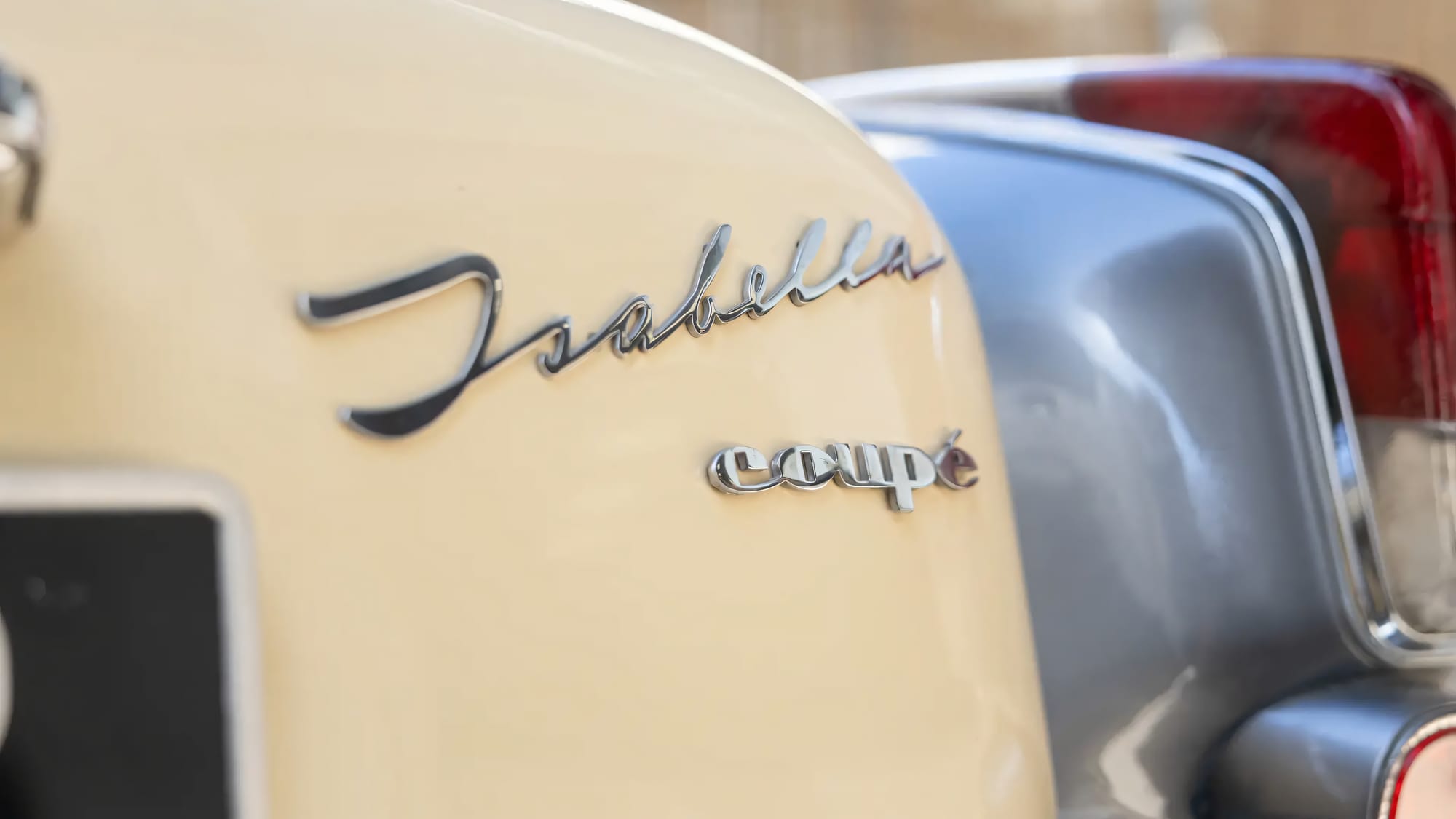
The Borgward Isabella Coupé went into commercial production in January 1957, built on the same 102-inch wheelbase monocoque structure as the saloon but wearing a dramatically restyled, lower-roofline body. It was powered from launch by the TS version of the 1493cc four-cylinder overhead valve engine, producing 75 bhp via a twin-choke Solex carburettor and slightly larger valves - this was the hotter tune that the standard saloon only received later, in 1958. A four-speed gearbox with full synchromesh on all four ratios was mated to the engine, operated by a cable-operated column change, a setup that was genuinely advanced for the period when rivals were still offering crash gearboxes or partial synchromesh. The whole package allowed a top speed in the region of 150 km/h (around 93 mph), which was enough, on a favourable stretch of autobahn, to make the Coupé feel authentically sporting rather than merely pretty.
The engineering beneath the Coupé was thoughtful in some respects and conventional in others, and it's worth being honest about both. Borgward's monocoque construction, with coil springs and wishbones up front and an anti-roll bar, was genuinely sophisticated for its class. Extensive rubber bushing throughout the suspension and differential hinted at real refinement engineering. But at the rear sat a swing axle - the universally German compromise of the period - which introduced the familiar on-the-limit camber changes that enthusiastic drivers learned to respect rather than ignore. In dry conditions on a twisty road the Coupé rewards precision; push harder and the rear will remind you, politely but firmly, that there are limits. Braking was by drum on all four corners, effective enough within the performance envelope but unremarkable by any standard.
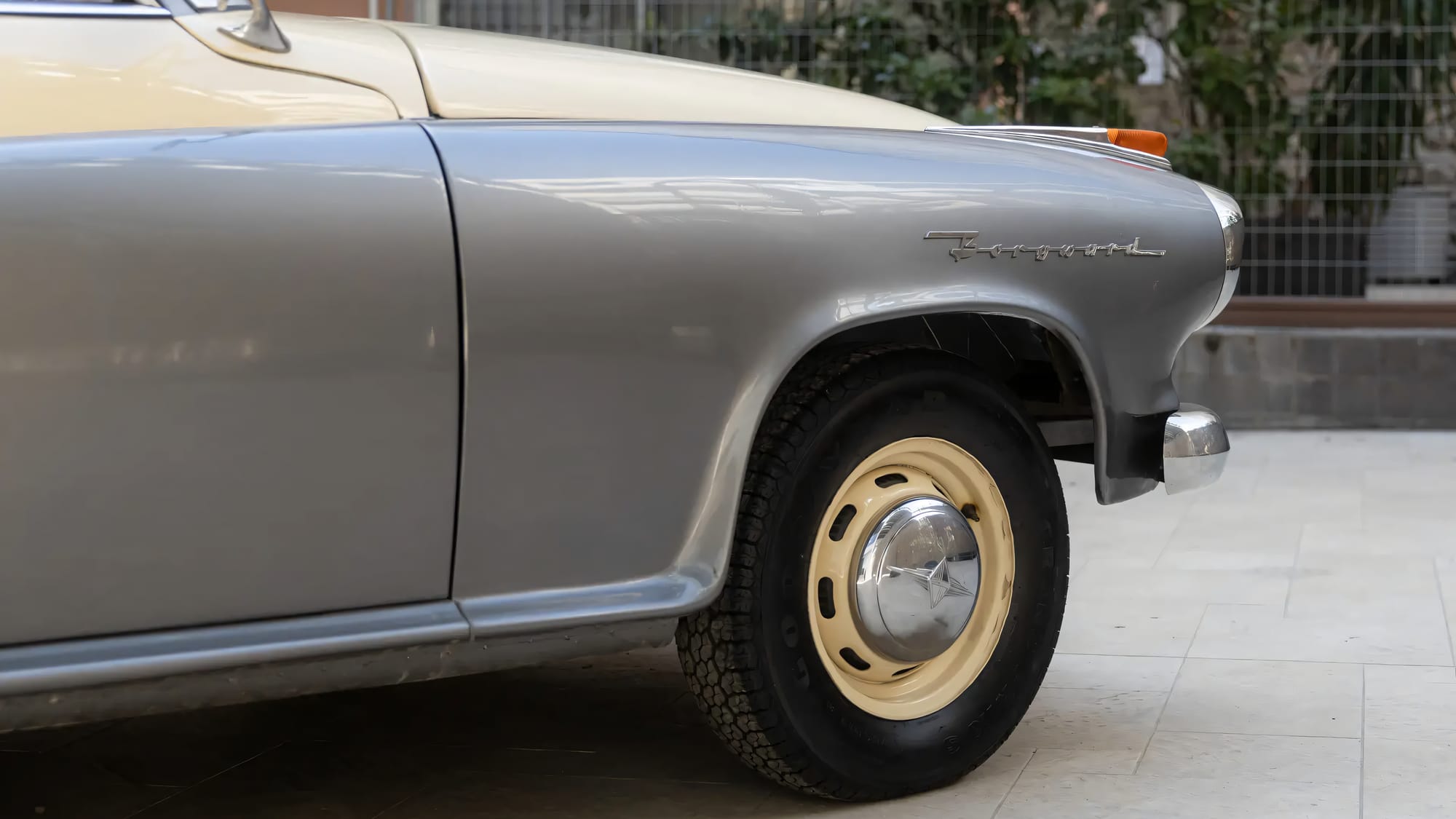
What was remarkable was the body. The Coupé wore a lower, longer roofline than the saloon, giving the car a swept, purposeful silhouette that went beyond simply chopping the roof of an existing design. Observers have noted echoes of the Raymond Loewy-influenced Studebaker coupes of the early 1950s in the Isabella's rear deck and stance, as well as the inevitable comparison to the Volkswagen Karmann Ghia, which had debuted in 1955 - and which some have claimed was the direct competitive spur for the Isabella's coupé body. Carl Borgward himself contested this, but the timing is certainly suggestive. The two cars occupied adjacent market positions, with the Isabella Coupé selling at a clear premium above the Karmann Ghia and offering proper four-passenger accommodation alongside its aesthetic ambitions. The chrome detailing was generous to a fault, with heavy headlight surrounds borrowing an idiom more associated with large American cars of the mid-fifties; on the right colour combination it reads as exuberant, on the wrong one it reads as overwrought.
Inside, the quality of materials and the attention to ergonomic detail consistently impressed road testers of the period. The cabin offered genuine four-seat accommodation, which was no small achievement given the roofline. Separate heating controls for driver and passenger - a feature that qualified as genuinely innovative in this class at this time - reflected an approach to cabin engineering that went beyond the minimum. Bill Boddy, the long-serving editor of Britain's Motor Sport magazine and a notoriously rigorous tester, gave the Isabella a largely positive review, though he did note some characteristic Borgward idiosyncrasies: the boot release mounted on the passenger door jamb, the requirement to refuel from a special can, and the novelty of factory-fitted screen washers. These are the kinds of quirks that enthusiasts now catalogue with affection.
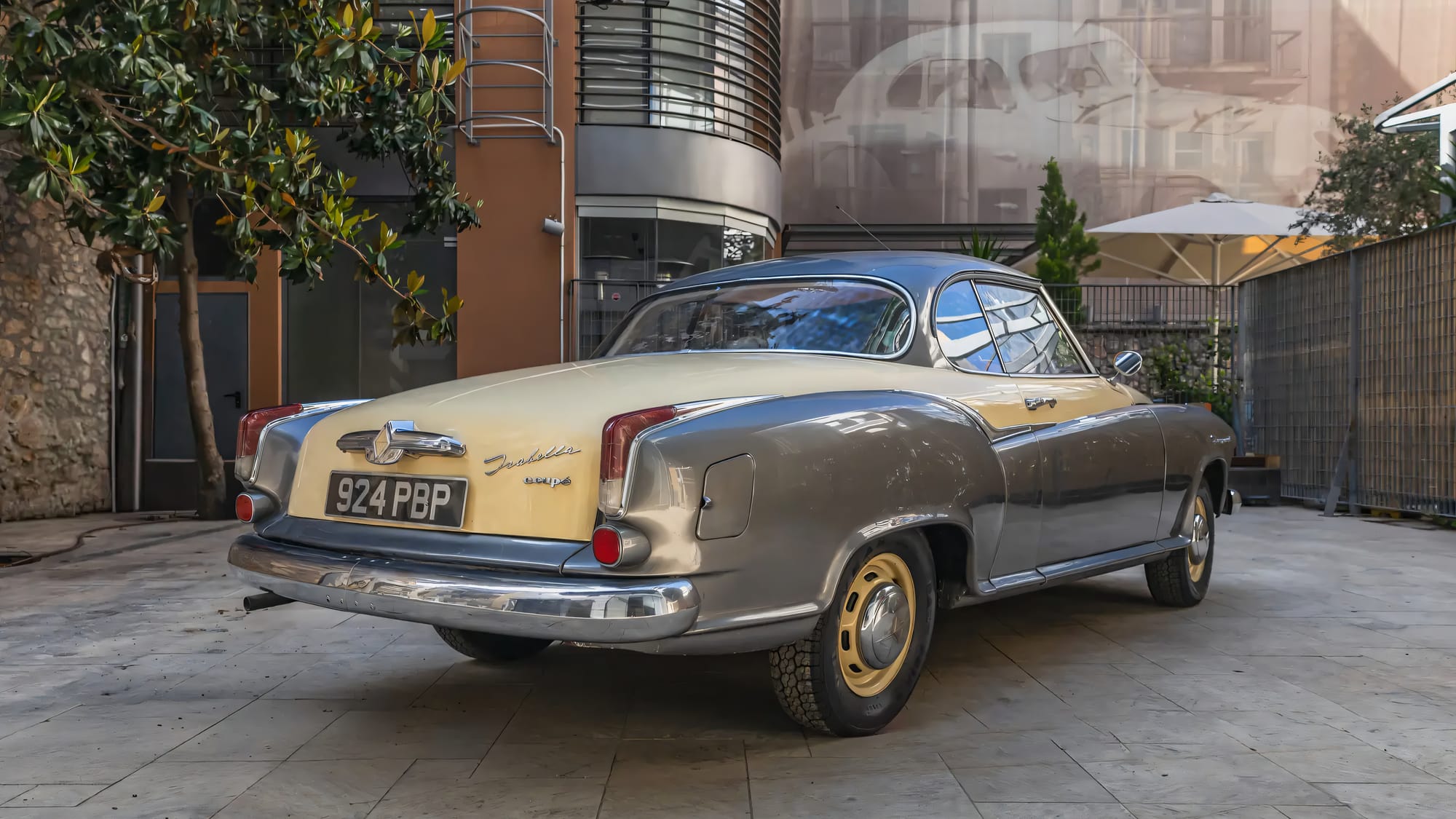
The driving experience was, by period accounts, genuinely engaging at a level above its direct competitors. The steering was characterised as sharp, the chassis agile, and the column gearchange easy enough to operate despite a somewhat long throw. Interior space - generous, by the standards of a car wearing a coupé roofline - made the Isabella a car that real people could actually use, not just admire. Stirling Moss, whose willingness to race anything was well documented, found the TS engine sufficiently tractable to use it to competitive effect, which is not a meaningless endorsement.
The commercial record bears attention. By 1958, the entire Isabella line had exceeded 100,000 units; by the end of production in September 1961, the total stood at 202,862. Of roughly 10,000 Coupés built, around 5,000 found buyers in North America, where the car sold at approximately the same price as a contemporary Ford Thunderbird - around $3,700 - which placed it in interesting company. Export markets ranged from Australia and New Zealand to Argentina, where a local subsidiary, Dinborg, assembled 999 cars between 1960 and 1963.
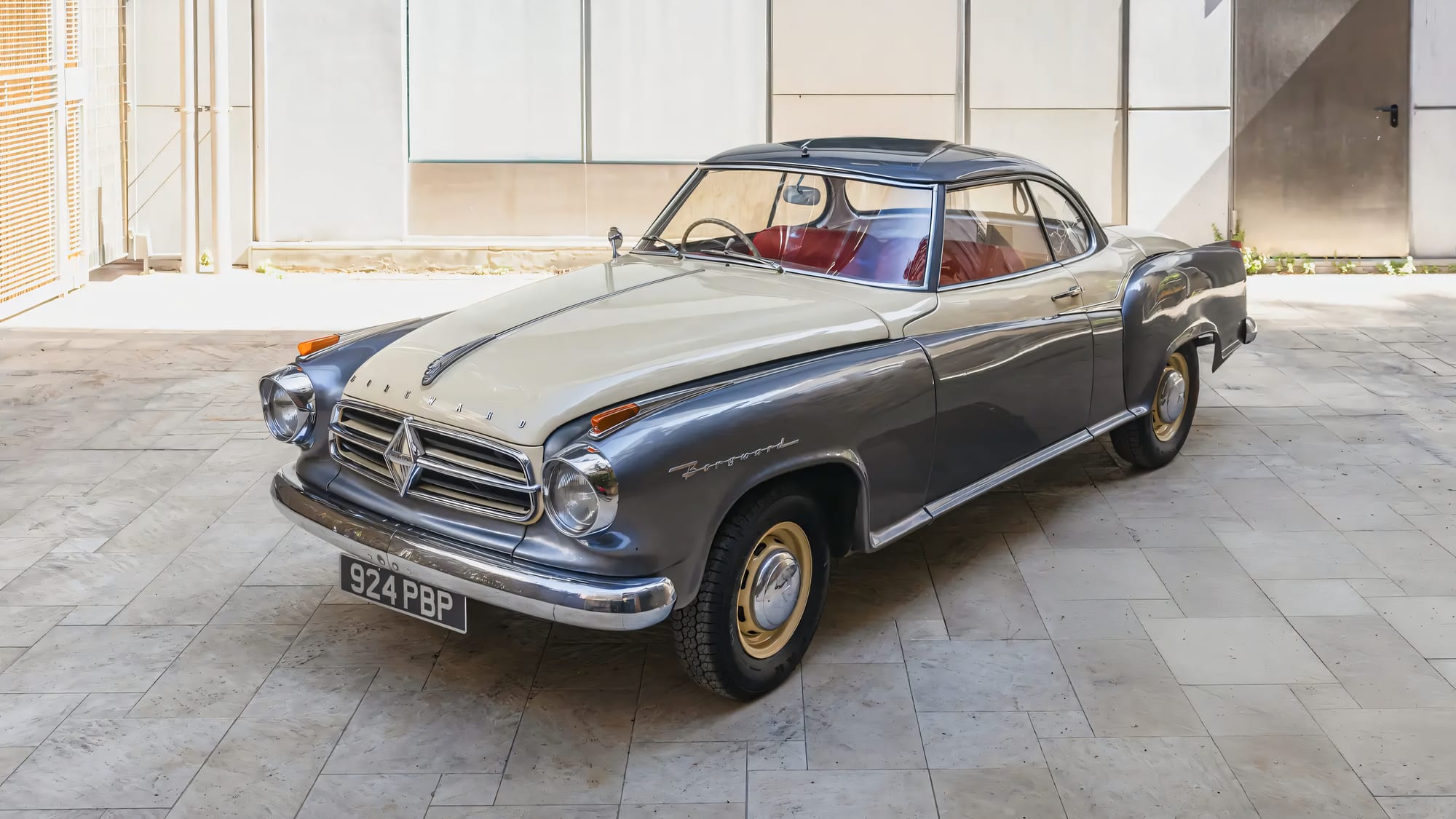
The Coupé's market positioning is worth examining critically, because it illuminated both Borgward's ambition and its structural vulnerability. In the UK, the Isabella Coupé was listed at around £1,996 - a figure approaching early Jaguar E-Type territory and significantly more than a Sunbeam Rapier or MG Magnette. The car's engineering justified some of that premium, but the gap between the Isabella's perceived prestige and its actual brand standing in export markets was real. It was more thoroughly engineered than contemporary Opels or Fords, but it was not a Mercedes, and in markets where that distinction mattered most, some buyers hesitated.
The end, when it came, was swift and murky. Borgward's finances had been stretched by a series of ambitious projects: the Lloyd Arabella, which underperformed commercially; the ambitious P100 saloon with its experimental pneumatic suspension, of which only around 2,500 sold in the first year; and early development costs for a next-generation Isabella. Carl Borgward had never cultivated relationships with major banks, relying instead on the Bremen State Senate, and when stories of late payments to suppliers leaked to the press in early 1961, the Senate stepped in, took control, and wound the entire business down. The last Isabella left the line in September 1961. A factory banner was hung over it reading Du warst zu gut für diese Welt - "You were too good for this world" - a sentiment that mixes genuine pride with an unwillingness to examine less flattering explanations for what had gone wrong.
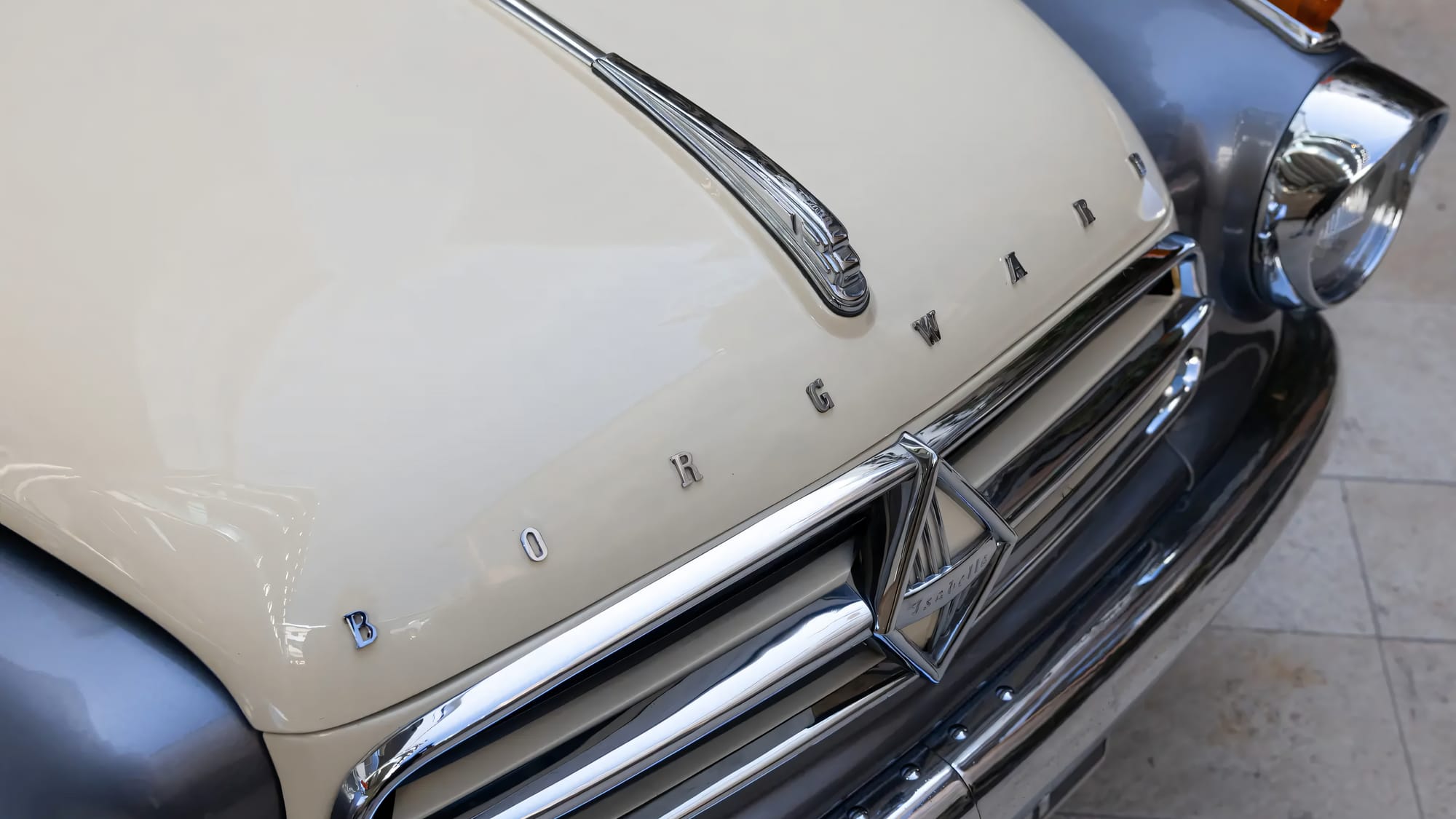
The conspiracy theories have persisted for decades. The notary appointed to oversee the insolvency had simultaneous professional ties to BMW; Borgward's engineers subsequently contributed significantly to the development of BMW's New Class saloons, the 1500 and 1800 that would define the Munich company's postwar revival. Whether this represented something more sinister than opportunistic recruitment in the wake of a genuine financial failure remains contested. What is not contested is that Borgward's disappearance removed from the German market exactly the kind of mid-range manufacturer - technically ambitious, design-conscious, positioned between Opel and Mercedes - that the BMW New Class would go on to dominate for the next two decades.
The Isabella Coupé's legacy is the legacy of an almost. Almost prestigious enough to compete with Mercedes, almost sporting enough to satisfy drivers who wanted more than a saloon, almost financially robust enough to survive the early 1960s downturn that briefly dented German car sales. As a piece of design and engineering it remains genuinely impressive: a car that its maker styled with real personal investment, that reached markets from Montana to Malaysia, and that Frau Borgward quietly kept driving long after everyone else had moved on. That she didn't feel the need to replace it is perhaps the most honest road test of all.